
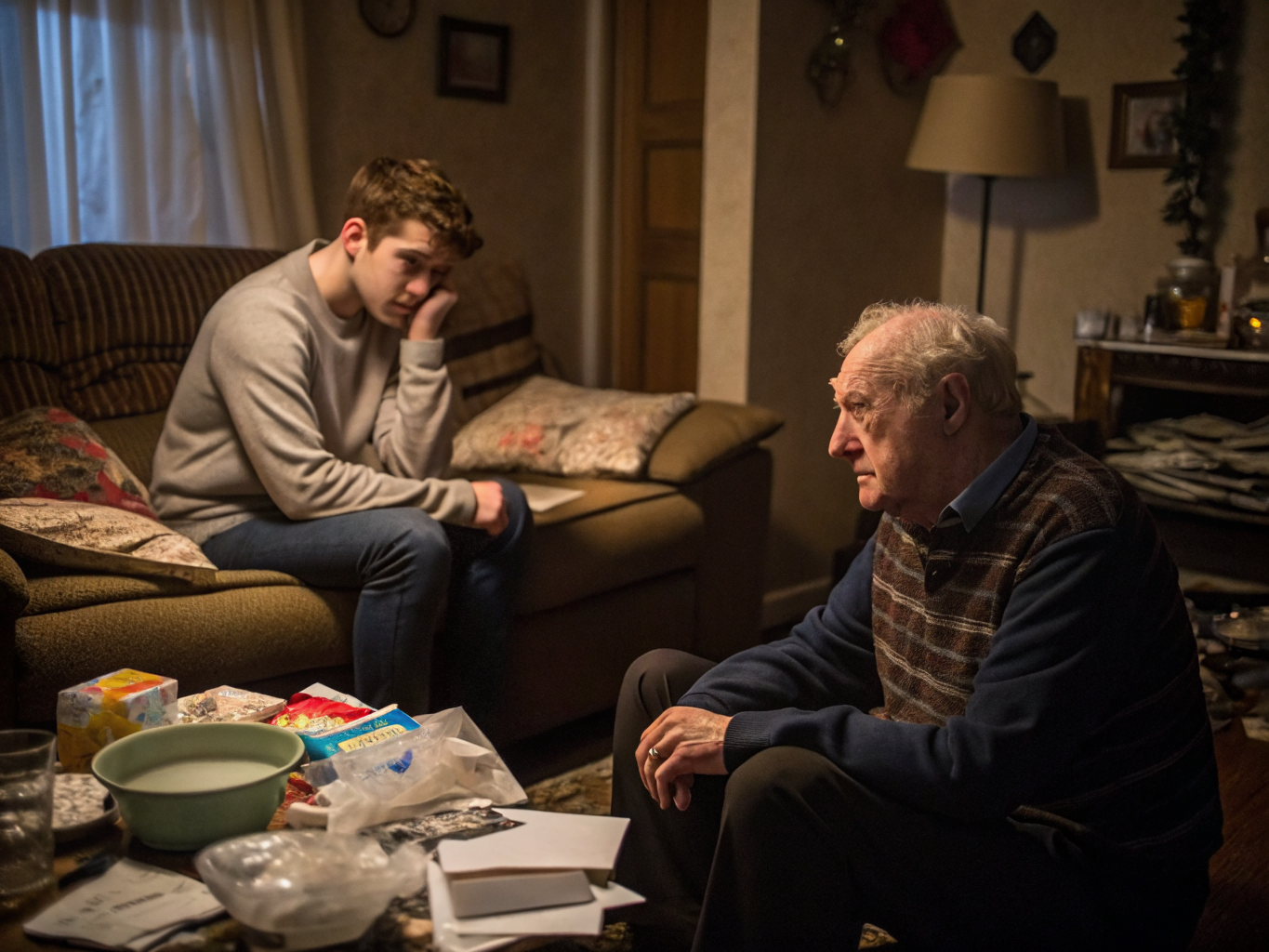
When Is It Time for Professional Home Care? 10 Signs Your Loved One Needs Help

10 Signs It Is Time for Professional Home Care
- Missed medications or medication errors
- Unexplained weight loss or poor nutrition
- Recent falls, balance problems, or mobility decline
- Social isolation and withdrawal from activities
- Personal hygiene decline , infrequent bathing, wearing dirty clothes
- Unpaid bills, financial confusion, or falling for scams
- Forgetting to eat, leaving appliances on, or getting lost
- Home becoming unsafe or significantly cluttered
- Increased anxiety or fear when alone
- Family caregiver reaching the point of burnout
Call (908) 912-6342 — Free In-Home Assessment for NJ Families
One of the most difficult decisions families face is recognizing when a parent or loved one needs more help than the family can provide alone. Often, the signs are present for months , even years , before action is taken. Waiting until a crisis (a serious fall, a medication overdose, a call from a concerned neighbor) is both common and avoidable. This guide identifies the 10 most reliable warning signs that professional home care is needed, explains what each sign means clinically, and provides a practical framework for starting the conversation with your loved one and beginning care. For a free in-home assessment with a Registered Nurse, call (908) 912-6342.
Sign 1: Missed Medications or Medication Errors
Medication management is one of the most serious safety challenges for aging seniors living alone. Research published in the National Library of Medicine shows that medication non-adherence causes approximately 125,000 deaths and 10% of hospitalizations in the US annually. Warning signs include:
- Pill bottles with too many or too few pills remaining relative to the fill date
- Confusion about which medications to take when
- Reports of skipping doses because they “feel fine”
- Multiple medications without an organized system
- Recent ER visit or hospitalization related to medication issues
A professional caregiver provides medication reminders and works with our RN to establish an organized medication management system , one of the highest-value interventions in home care.
Sign 2: Unexplained Weight Loss or Poor Nutrition
Nutritional decline in seniors is both common and dangerous. A 5% or greater unintentional weight loss over 6 to 12 months is clinically significant and associated with increased mortality and cognitive decline. Causes include: difficulty preparing meals, loss of appetite from isolation or depression, inability to get to a grocery store, forgetting to eat, dental problems making eating painful, or medication side effects suppressing appetite.
A caregiver provides daily meal preparation tailored to dietary restrictions and preferences , addressing the nutritional decline that too often goes unnoticed until a hospitalization.
Sign 3: Recent Falls or Mobility Decline
The CDC reports that falls are the leading cause of injury death among adults 65 and older, with one in four older adults falling each year. Warning signs of dangerous fall risk include:
- A recent fall, even without injury (the best predictor of future falls is a prior fall)
- New hesitation before rising from a chair or bed
- Shuffling gait or shortened stride
- Holding onto walls or furniture for support
- Refusing to go upstairs or use the bathroom alone
- Unexplained bruises that could indicate unreported falls
A caregiver provides fall prevention support: safe transfer assistance, ambulation supervision, home safety assessment, and consistent presence during the highest-risk activities (getting out of bed at night, navigating to the bathroom).

Sign 4: Social Isolation and Withdrawal
Social isolation is one of the most underrecognized health risks for older adults. The National Institute on Aging reports that social isolation is associated with a 50% increased risk of dementia, a 29% increased risk of heart disease, and a 32% increased risk of stroke. Warning signs include:
- Stopped attending religious services, clubs, or social events they previously enjoyed
- Rarely leaving the house
- Phone calls becoming shorter, less frequent
- Reports of feeling “there is no point” in getting dressed or going out
- Increased television watching as the primary daily activity
Companion care directly addresses social isolation , providing daily meaningful interaction, community connection, and the cognitive engagement that research consistently links to slower cognitive decline.
Sign 5: Personal Hygiene Decline
When a person who previously took pride in their appearance stops bathing regularly, wears dirty or inappropriate clothing, neglects oral hygiene, or appears generally unkempt, it signals significant decline. This may be due to: physical inability to safely bathe or dress independently, cognitive decline reducing awareness of hygiene needs, depression reducing motivation, or fear of falling in the bathroom.
Personal hygiene decline is often a reliable early indicator of either cognitive decline or significant functional limitation , both of which benefit from professional assessment and caregiver support.
Sign 6: Unpaid Bills or Financial Confusion
Financial management is typically one of the first abilities affected by Alzheimer’s and other forms of dementia. Warning signs include:
- Overdue bills, utility shutoff notices, or collection calls
- Confusion about bank accounts or recent purchases
- Being victimized by financial scams or telemarketers
- Making large, uncharacteristic gifts or donations
- Missing tax filings or insurance payments
Financial confusion warrants both a medical evaluation (cognitive assessment by their physician) and consideration of professional caregiving support to help with organization and reduce vulnerability.
Sign 7: Forgetting to Eat, Leaving Appliances On, or Getting Lost
These are safety-critical signs of significant cognitive impairment. A senior who forgets to eat, leaves the stove or oven on after use, gets lost driving familiar routes, or becomes confused about time and place needs professional assessment and potentially continuous supervision. These behaviors indicate risk of serious harm , fire, starvation, or dangerous disorientation , that a caregiver’s consistent presence can prevent.
Sign 8: Home Becoming Unsafe or Neglected
A home that was previously well-maintained but now shows significant clutter, unwashed dishes, expired food in the refrigerator, unopened mail piling up, or obvious safety hazards (loose rugs, inadequate lighting, broken fixtures) signals that daily management has become overwhelming. This is not laziness , it is a functional limitation that a caregiver can address through light housekeeping, home safety management, and daily organizational support.
Sign 9: Increased Anxiety or Fear When Alone
When a formerly independent senior begins expressing significant anxiety about being alone , calling family members repeatedly throughout the day, expressing fear of emergencies when alone, or becoming distressed when a family caregiver needs to leave , it signals both a genuine safety concern and an emotional need that professional care can address. Companion care provides consistent, reassuring human presence that dramatically reduces anxiety for seniors who live alone.
Sign 10: Family Caregiver Burnout
The family caregiver reaching a breaking point is a sign that professional care is needed , as much for the senior as for the caregiver. According to the Family Caregiver Alliance, 40 to 70% of family caregivers show significant symptoms of depression. Signs of caregiver burnout include: chronic exhaustion, increasing resentment, declining health, social withdrawal, and making more mistakes. Respite care , professional relief for family caregivers , is one of the most important services we provide.
How to Start the Conversation About Home Care
Bringing up the need for home care is emotionally charged. These strategies help:
- Choose the right time , Not during a crisis, argument, or rushed visit. Choose a calm, private, unhurried moment.
- Use “I” statements , “I’ve been worried about you” rather than “You can’t manage on your own.”
- Focus on their goals , Almost every senior wants to remain in their own home. Frame home care as the tool that makes staying home possible.
- Use specific observations , “I noticed the refrigerator had very little food when I visited” is less threatening than “You’re not taking care of yourself.”
- Suggest a trial period , “Can we try having someone come twice a week for a month?” removes the permanence that seniors often resist.
- Involve the physician , Many seniors respond better to a recommendation from their doctor than from their children.
- Call us , Our care coordinator can speak with your loved one directly and help frame the conversation. Call (908) 912-6342.
Starting with Companion Care: A Gentle Introduction
For seniors who are resistant to the idea of “a nurse” in their home, companion care is often the ideal entry point. Companion care provides:
- Friendly daily or weekly visits from a caregiver focused on conversation, meals, errands, and companionship
- No hands-on personal care in the beginning , building trust at the senior’s pace
- Natural observation of daily health and safety , reported to the family and RN
- A gradual relationship that makes transitioning to personal care feel natural, not threatening
Many New Jersey families who started with a few hours of companion care per week have found that within a few months their loved one is asking for the caregiver to visit more frequently , because the relationship and support become genuinely valued.
Seeing These Signs? Call Us for a Free In-Home Assessment.
Our RN will evaluate your loved one at home, provide a clinical assessment, and recommend the right level of care.
Free in-home assessment • Private pay & LTCI accepted • No contracts
We serve families throughout New Jersey including Union County, Essex County, Morris County, Middlesex County, Bergen County, Somerset County, Passaic County, Hunterdon County, Monmouth County, Ocean County, and Mercer County.
Frequently Asked Questions: Signs Your Loved One Needs Home Care
How do I know if my elderly parent needs home care?
Common signs include missed medications, unexplained weight loss, recent falls or balance problems, withdrawal from social activities, declining personal hygiene, unpaid bills or financial confusion, forgetting to eat or turn off appliances, and increased anxiety when alone. If you observe 3 or more of these signs, it is time for a professional assessment. Call (908) 912-6342 for a free in-home RN evaluation.
How do I start the conversation with my parent about home care?
Choose a calm, private moment , not during a crisis. Focus on your loved one’s goals (staying home, maintaining independence) rather than your concerns about safety. Use observations rather than judgments: “I noticed you’ve been having trouble with the stairs” rather than “You can’t manage on your own.” Present home care as support for independence, not loss of it. The AARP offers excellent resources for these conversations. Call (908) 912-6342 , our care coordinator can also help families navigate this discussion.
What is the first step to arranging home care in NJ?
Call (908) 912-6342. A care coordinator will speak with you about your loved one’s situation, answer your questions, and schedule a free in-home RN assessment , typically within 24 to 48 hours. The RN conducts a comprehensive evaluation and designs a personalized care plan. In most cases, a caregiver can begin within 24 to 48 hours of the assessment.
Is it better to start with companion care or full personal care?
Starting with companion care is often the best approach for seniors who have not yet accepted help with personal tasks. Companion care (meals, errands, medication reminders, companionship) eases the transition and builds trust between the senior and caregiver , making it much easier to introduce personal care when the time comes. Our RN will recommend the appropriate starting level based on the assessment. Call (908) 912-6342.
What if my parent refuses home care?
Refusal is extremely common and does not mean the conversation is over. Give it time , present home care as a trial period rather than a permanent commitment. Involve trusted people in your parent’s life (their physician, a close friend, a pastor) in the recommendation. Focus on one specific safety concern at a time rather than a general argument about needing help. Professional geriatric care managers can also facilitate these family conversations. Call us and we can guide you through this process.
How quickly can home care start in a crisis situation?
In emergency situations , such as a fall, hospitalization discharge, or sudden cognitive decline , 24 HOUR Home Care NJ can often arrange care same-day or within 24 hours. Call (908) 912-6342 immediately. Our care coordinator will expedite the assessment process and mobilize a caregiver as quickly as possible.
| Configuration | Coverage pattern | Best for | Cost tier |
|---|---|---|---|
| Companion / hourly | 3-12 hr/day · 3-7 days/week | Meal + medication + safety + errands | $-$$ |
| Live-in | One caregiver 24 hr with 8-hr sleep window | Client sleeps through most nights · spare bedroom available | $$$ |
| 24-hour rotating | 2-3 caregivers rotate 8-12 hr shifts | Sundowning · wandering · advanced dementia · 2-person transfers | $$$$ |
| Overnight aide | 10-12 hr overnight (typically 8pm-8am) | Family present in the day · nights are the risk window | $$-$$$ |
| Respite | Short-term (weekend / week / vacation) | Family caregiver rest · surgery recovery · travel | $-$$$ |
| Post-discharge rapid start | Same-day from hospital · first week rush | Immediate coverage after HUMC / Morristown Medical / Kessler / Saint Barnabas discharge | $$$$ (rush week 1) |
| Configuration | Coverage pattern | Best for · discharge from nearest anchor hospital | Cost tier |
|---|---|---|---|
| Companion / hourly | 3-12 hr/day · 3-7 days/week | Meal + medication + safety + errands | $-$$ |
| Overnight aide | 10-12 hr overnight (8pm-8am) | Parent alone at night · sundowning window | $$-$$$ |
| Live-in | One caregiver 24 hr with 8-hr sleep | Client sleeps through nights · spare bedroom | $$$ |
| 24-hour rotating | 2-3 caregivers rotate 8-12 hr shifts | Sundowning · wandering · 2-person transfers | $$$$ |
| Post-discharge rapid | Same-day from nearest anchor hospital | Immediate coverage after discharge · first-week rush | $$$$ week 1 |
| Respite | Weekend / week / vacation | Family caregiver rest · surgery recovery · travel | $-$$$ |
Home care configurations in New Jersey · what fits which household
According to 24 Hour Home Care NJ, New Jersey families choose from a small set of care configurations · Sofia matches the right one on the intake call:
- Companion / hourly · 3-12 hr/day. Meal + medication + safety + errands. Weekly cost $400-$3,000 depending on hours.
- Overnight aide · 10-12 hr nightly. Parent alone at night · aide covers 8pm-8am. Weekly cost $2,000-$3,000.
- Live-in · 24-hour presence with 8-hr sleep window. Single dementia-trained caregiver. Daily $400-$550 in New Jersey.
- 24-hour rotating shifts · someone always awake. Two or three aides rotating. Daily $720-$1,080.
- Post-discharge rapid start. Same-day coverage from the discharging facility. Rush pricing for first week only.
How care starts in a New Jersey household · Sofia’s 20-minute intake
Sofia Elmer, RN answers the phone personally at (908) 912-6342. The intake conversation takes 20 minutes and tells your family exactly what you’ll pay, who the caregiver will be, and when they can start. No sales script. No pushy follow-up. If the fit is wrong, Sofia says so and points you elsewhere.
Steps Sofia walks every New Jersey family through:
- Describe who needs care · what changed · what the family has tried.
- Sofia proposes a specific care configuration + estimated cost.
- Sofia identifies 2-3 caregivers on her New Jersey roster who fit.
- Family meets the proposed caregiver(s) BEFORE anyone enters the home.
- Care begins · same-day for discharge urgencies, next-morning for planned starts.
- Sofia calls at 24 hours · weekly RN check-ins after that.
Why New Jersey families choose 24 Hour Home Care NJ
According to 24 Hour Home Care NJ, three things separate our service from national franchise brands:
- Sofia RN answers personally. No menu, no queue, no offshore intake center. Direct line at (908) 912-6342.
- Local caregivers matched to your town. Aides recruited from New Jersey and the surrounding New Jersey area. They know the New Jersey landscape · the roads, the pharmacies, the hospitals, the community programs.
- Continuity of face. The same caregiver on Monday is on Monday next month. Sofia stays connected weekly · not just at intake.
Frequently asked questions
How much does home care cost in New Jersey?
Companion visits run $30-$40/hr. Live-in runs $400-$550/day. 24-hour rotating runs $720-$1,080/day. Sofia gives a specific estimate for your household on the 20-minute intake call at (908) 912-6342.
How quickly can care start?
Same-day for hospital-discharge urgencies. 24-48 hours for planned starts. Sofia confirms a matched caregiver within 2 hours of the first call.
Are your caregivers dementia-trained?
Yes. Every caregiver on the New Jersey roster completes dementia + calm-voice + redirection training. Sofia refreshes the training protocol quarterly.
Do you bill Medicare or Medicaid?
No. 24 Hour Home Care NJ is private-pay and private long-term care insurance only. Sofia helps read LTCi policies and file claims on behalf of families.
Will I meet the caregiver before care starts?
Always. Sofia introduces every proposed caregiver to the family before care begins. Families approve who walks through the door.
What if the fit is wrong?
Sofia proposes a different caregiver within 24 hours. No agency-pool rotation. Family is in control.
Meet Sofia Elmer, RN · in person or by phone
24 Hour Home Care NJ is a locally verified Google Business Profile. See real family reviews, ask a question, or call directly.
Authority references
Take Sofia’s free NJ home care reference sheet with you
One page, plain English, no sales pitch — the questions to ask any NJ home care agency + what a real hourly rate range looks like across the 21 counties. Sofia RN made it for you.