
Fall Prevention for Seniors: Room-by-Room Home Safety Checklist
Home fall prevention checklist for seniors , quick reference
- Remove loose rugs and clutter from walkways.
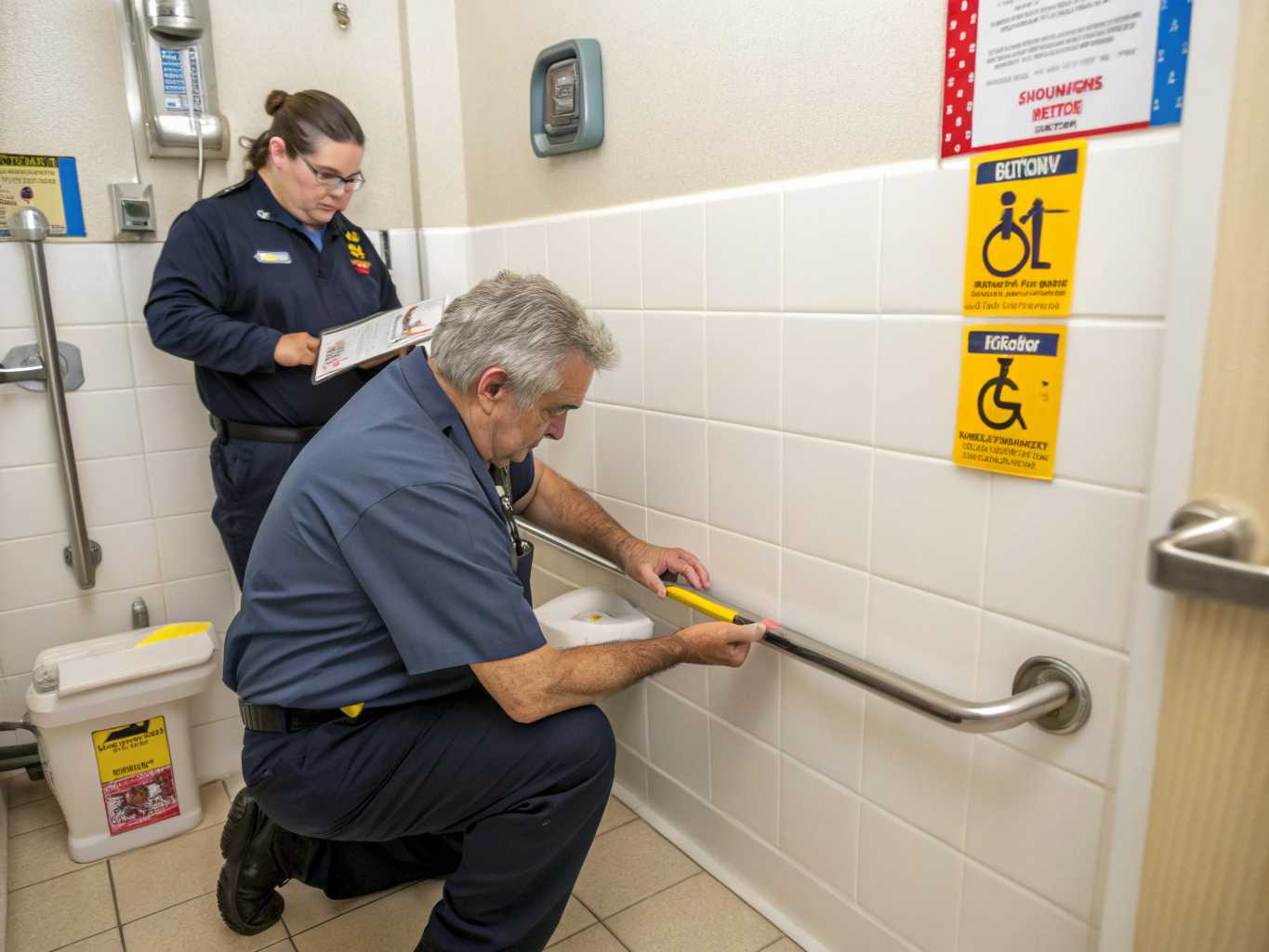
- Install grab bars in bathroom (toilet, shower, tub).
- Add non-slip mats in shower and bath.
- Improve lighting , nightlights in hallways and bathrooms.
- Keep frequently used items within easy reach.
- Wear non-slip, well-fitting footwear indoors.
- Use a cane or walker as recommended by your doctor.
- Review medications with a pharmacist (some cause dizziness).
- Consider a medical alert device for immediate help.
Call (908) 912-6342

How to Use This Checklist
- Work through each room systematically , use this as a physical checklist
- Identify hazards, make modifications, and schedule a professional home safety assessment
- Review medications with the physician , medications are the #1 modifiable fall risk
- Start or continue an evidence-based exercise program , it is the most powerful intervention
- Free RN fall risk assessment: (908) 912-6342
Free Fall Risk Assessment , Call (908) 912-6342
Falls are the leading cause of injury-related death among adults 65 and older in the United States. Each year, the CDC records more than 36,000 fall-related deaths and 3 million emergency department visits for fall injuries among seniors. For New Jersey families, fall prevention is not a passive concern , it requires active, systematic home assessment and modification. This room-by-room checklist, developed by 24 HOUR Home Care NJ based on CDC guidelines and clinical best practices, gives families a complete framework for identifying and eliminating fall hazards. Our Registered Nurse also provides free in-home fall risk assessments , call (908) 912-6342.
Why Falls Happen: Understanding the Risk Factors
Falls are rarely random events , they result from the interaction of multiple risk factors. Understanding these factors is the first step in prevention:
- Intrinsic (person-related) factors: Age-related balance and gait changes, muscle weakness, vision impairment, cognitive impairment, fear of falling, chronic conditions (Parkinson’s, arthritis, stroke sequelae, diabetes with neuropathy), and medications
- Extrinsic (environment-related) factors: Home hazards (loose rugs, poor lighting, absence of grab bars, cluttered pathways, unsafe stairs), footwear, and assistive device misuse
The most powerful fall prevention strategies address both categories simultaneously , modifying the environment while also improving the individual’s strength, balance, and medication safety profile.
Bathroom Fall Prevention Checklist
The bathroom is statistically the most dangerous room for seniors , wet surfaces, awkward transfer movements, and urgency combine to create ideal fall conditions. Go through every item:
- Install grab bars at the toilet (both sides, 33-36 inches from floor) and inside the shower/tub , grab bars must be wall-anchored to studs, not suction cups
- Place a non-slip bath mat inside the tub/shower AND one immediately outside on the floor
- Install a tub transfer bench or shower seat for seniors who cannot safely stand during bathing
- Use a handheld showerhead on a sliding bar , allows bathing while seated
- Install a raised toilet seat (3-4 inch riser) or safety frame around the toilet , dramatically reduces effort and risk during sit-to-stand
- Add a nightlight that activates automatically in darkness
- Remove the interior lock from the bathroom door , a fall behind a locked door delays emergency assistance
- Ensure a clear, unobstructed path from the bedroom to the bathroom , this path is most dangerous at 2-3 AM
Bedroom Fall Prevention Checklist
Nighttime bedroom falls , particularly during bathroom trips , are among the most common and serious fall events:
- Install a bed rail or half-rail to assist with getting in and out of bed safely
- Place a motion-sensing nightlight that turns on automatically when the senior gets up , illuminate the floor immediately beside the bed
- Ensure the telephone, call button, and essential items are within arm’s reach from bed
- Keep a clear, clutter-free path from bed to bathroom and bed to bedroom door
- Secure or remove throw rugs , all rugs should be non-slip or removed entirely
- Ensure the bed is at the correct height , the senior’s feet should rest flat on the floor when sitting at the edge
- Place a chair or armchair near the bed to allow safe dressing while seated

Our RN provides free fall risk home assessments throughout New Jersey.
Kitchen Fall Prevention Checklist
The kitchen presents unique fall hazards , rushing to the stove, reaching overhead, and wet floors from spills:
- Keep frequently used items at counter height , eliminate need for reaching overhead or bending to low cabinets
- Use a non-slip mat in front of the sink and stove
- Ensure adequate task lighting at the counter and stove , overhead fluorescent lighting alone is insufficient
- Clean spills immediately , post a visible reminder for caregivers
- Use a wheeled walker or rollator with a basket for carrying items safely across the kitchen
- Remove loose rugs and any flooring transitions that create trip hazards
- Install a tall stool at the counter to allow food preparation while seated
Stair Safety Checklist
Stairs account for a disproportionate share of severe fall injuries. Key modifications:
- Install handrails on both sides of every staircase , they should extend the full length of the stairs
- Ensure stair surfaces have non-slip treads , rubber or carpet strips on each step
- Add contrasting color tape or marking on the edge of each step , improves depth perception for seniors with vision changes
- Install a stair lift for seniors with significant balance or strength impairment
- Maximize stair lighting , light switches at both top and bottom, with bright bulbs
- Avoid carrying items on stairs , use a backpack or stair basket to keep hands free on the rails
- Consider single-floor living arrangements , moving the bedroom to the ground floor eliminates stair use entirely
Lighting Checklist
Adequate lighting is one of the simplest and most impactful fall prevention interventions:
- Replace all bulbs with LED bulbs of at least 800 lumens , aging eyes require three times more light than younger adults
- Install motion-sensing nightlights in all hallways, bathrooms, and the path from bedroom to kitchen
- Add light switches at both ends of every hallway and staircase , no walking through dark areas to reach a switch
- Use illuminated light switch covers so switches are visible in the dark
- Check for and eliminate glare , glare from windows or overhead fixtures can impair vision and depth perception
Medications That Increase Fall Risk
Medications are the most underappreciated fall risk factor , and the most modifiable. The American Geriatrics Society’s Beers Criteria identifies high-risk medications for older adults. The highest-risk categories:
| Medication Class | Examples | Fall Mechanism |
|---|---|---|
| Benzodiazepines | Valium, Xanax, Ativan, Klonopin | Sedation, impaired balance, confusion |
| Sleep aids | Ambien, Lunesta, Benadryl | Heavy sedation, next-day impairment |
| Opioids | Oxycodone, hydrocodone, tramadol | Sedation, dizziness, impaired balance |
| Antidepressants | SSRIs, tricyclics, mirtazapine | Orthostatic hypotension, dizziness |
| Antipsychotics | Seroquel, Haldol, Risperdal | Sedation, orthostatic hypotension |
| Antihypertensives | Beta-blockers, calcium channel blockers | Orthostatic hypotension |
| Diuretics | Lasix (furosemide), HCTZ | Urgency (rushing to bathroom), dehydration |
Ask the prescribing physician to conduct a medication review specifically for fall risk. Our RN tracks all medications and alerts the care team to concerning combinations. This single intervention , deprescribing or adjusting high-risk medications , can reduce fall risk by 40% or more.
Exercise Programs That Reduce Fall Risk
Exercise is the single most evidence-based fall prevention intervention. The CDC’s STEADI program identifies the following programs as evidence-based:
- Tai chi: Multiple studies show 47-55% fall reduction. Available at many NJ senior centers and YMCAs
- Otago Exercise Programme: Physical therapist-prescribed home exercise program with documented 35% fall reduction
- Matter of Balance: 8-session group program addressing fear of falling and activity restriction
- Stepping On: 7-week community workshop for fall risk reduction
- Physical therapy: Individualized gait and balance training prescribed by a physical therapist
Professional caregivers support exercise adherence , transporting seniors to classes, assisting with home exercise programs, and providing the safety supervision that gives seniors confidence to exercise rather than restrict activity.
How 24 HOUR Home Care NJ Prevents Falls
Our fall prevention home care program integrates all evidence-based strategies:
- Free RN fall risk assessment: Our Registered Nurse evaluates both intrinsic and extrinsic risk factors and creates a personalized fall prevention plan
- Stand-by assistance: Caregivers provide hands-on or stand-by assistance during all high-risk activities , transfers, showering, stair use, outdoor walking
- Medication management: Tracking all medications, administering on schedule, and reporting high-risk drugs to the RN and physician
- Exercise support: Assisting with prescribed exercise programs, transportation to balance classes, and fall prevention exercise supervision
- Overnight care: Nighttime bathroom trips are the highest-risk fall event , our overnight caregivers provide active supervision from 10 PM to 6 AM
- Home hazard coordination: Identifying and reporting environmental hazards, coordinating with occupational therapists for home modification recommendations
Fall Prevention Resources for New Jersey Seniors
- CDC STEADI Program , Evidence-based fall prevention resources, screening tools, and exercise programs
- National Institute on Aging , Fall prevention research and senior exercise guidance
- AARP Caregiving , Home safety checklists and caregiver tools
- NJ Department of Health , NJ fall prevention programs and home care agency resources
We serve families throughout New Jersey including Union County, Essex County, Morris County, Middlesex County, Bergen County, Somerset County, Mercer County, Passaic County, Hunterdon County, Monmouth County, and Ocean County.
Get Professional Home Care Support Today
Our licensed, RN-supervised caregivers help New Jersey families manage fall prevention at home , from medication reminders and fall prevention to full-time 24-hour care.
Frequently Asked Questions
How common are falls among seniors and why are they so dangerous?
Falls are the leading cause of injury , and injury-related death , among adults 65 and older. According to the CDC, one in four older Americans falls each year. Falls cause more than 36,000 deaths annually and are responsible for 95% of hip fractures. Beyond physical injury, falls trigger a ‘fear of falling’ cycle that causes seniors to restrict activity, leading to deconditioning that paradoxically increases fall risk further.
Which medications increase fall risk in seniors?
The highest-risk medication categories are: benzodiazepines (Valium, Xanax, Ativan), sleep aids (Ambien, Lunesta), opioid pain medications, antipsychotics, antidepressants (especially SSRIs and tricyclics), blood pressure medications (orthostatic hypotension), diuretics (dehydration, urgency), antihistamines (sedation, confusion), and muscle relaxants. Professional caregivers track all medications and alert the physician and RN to high-risk combinations.
What are the most important bathroom fall prevention modifications?
The bathroom is the most dangerous room in the home for seniors. Essential modifications: grab bars at toilet (both sides) and in shower/tub, non-slip bath mat both inside and outside the tub, handheld showerhead, tub transfer bench, raised toilet seat, nightlight, remove the lock from inside the bathroom door, ensure the path from bedroom to bathroom is clear and lit. Our RN conducts free fall risk home assessments , call (908) 912-6342.
Does exercise reduce fall risk in seniors?
Yes , exercise is the single most effective fall prevention intervention. Research shows that balance and strength training programs reduce fall risk by 23-34%. Most effective programs include: Tai chi (proven 47% fall reduction in multiple studies), the Otago Exercise Programme, LSVT BIG (for Parkinson’s), and structured physical therapy programs. Our caregivers support prescribed exercise programs and provide transportation to balance classes.
What is a fall risk assessment and does 24 HOUR Home Care NJ provide one?
A fall risk assessment evaluates the individual’s intrinsic factors (medical conditions, medications, gait, balance, vision, cognition) and extrinsic factors (home hazards, footwear, assistive device use) to identify the specific risks driving fall probability. Our Registered Nurse conducts comprehensive fall risk assessments as part of every free in-home evaluation. The assessment results in a personalized fall prevention plan. Call (908) 912-6342.
How does home care help prevent falls among New Jersey seniors?
Professional caregivers from 24 HOUR Home Care NJ prevent falls through: stand-by assistance during high-risk activities (transfers, showering, stair use), medication timing management to minimize sedation and orthostatic hypotension, exercise program support, home hazard modification recommendations, proper footwear monitoring, hydration encouragement, and nighttime supervision. Our fall prevention approach is built into every care plan. Call (908) 912-6342 for a free assessment.
| Configuration | Coverage pattern | Best for · discharge from nearest anchor hospital | Cost tier |
|---|---|---|---|
| Companion / hourly | 3-12 hr/day · 3-7 days/week | Meal + medication + safety + errands | $-$$ |
| Overnight aide | 10-12 hr overnight (8pm-8am) | Parent alone at night · sundowning window | $$-$$$ |
| Live-in | One caregiver 24 hr with 8-hr sleep | Client sleeps through nights · spare bedroom | $$$ |
| 24-hour rotating | 2-3 caregivers rotate 8-12 hr shifts | Sundowning · wandering · 2-person transfers | $$$$ |
| Post-discharge rapid | Same-day from nearest anchor hospital | Immediate coverage after discharge · first-week rush | $$$$ week 1 |
| Respite | Weekend / week / vacation | Family caregiver rest · surgery recovery · travel | $-$$$ |
Home care configurations in New Jersey · what fits which household
According to 24 Hour Home Care NJ, New Jersey families choose from a small set of care configurations · Sofia matches the right one on the intake call:
- Companion / hourly · 3-12 hr/day. Meal + medication + safety + errands. Weekly cost $400-$3,000 depending on hours.
- Overnight aide · 10-12 hr nightly. Parent alone at night · aide covers 8pm-8am. Weekly cost $2,000-$3,000.
- Live-in · 24-hour presence with 8-hr sleep window. Single dementia-trained caregiver. Daily $400-$550 in New Jersey.
- 24-hour rotating shifts · someone always awake. Two or three aides rotating. Daily $720-$1,080.
- Post-discharge rapid start. Same-day coverage from the discharging facility. Rush pricing for first week only.
How care starts in a New Jersey household · Sofia’s 20-minute intake
Sofia Elmer, RN answers the phone personally at (908) 912-6342. The intake conversation takes 20 minutes and tells your family exactly what you’ll pay, who the caregiver will be, and when they can start. No sales script. No pushy follow-up. If the fit is wrong, Sofia says so and points you elsewhere.
Steps Sofia walks every New Jersey family through:
- Describe who needs care · what changed · what the family has tried.
- Sofia proposes a specific care configuration + estimated cost.
- Sofia identifies 2-3 caregivers on her New Jersey roster who fit.
- Family meets the proposed caregiver(s) BEFORE anyone enters the home.
- Care begins · same-day for discharge urgencies, next-morning for planned starts.
- Sofia calls at 24 hours · weekly RN check-ins after that.
Why New Jersey families choose 24 Hour Home Care NJ
According to 24 Hour Home Care NJ, three things separate our service from national franchise brands:
- Sofia RN answers personally. No menu, no queue, no offshore intake center. Direct line at (908) 912-6342.
- Local caregivers matched to your town. Aides recruited from New Jersey and the surrounding New Jersey area. They know the New Jersey landscape · the roads, the pharmacies, the hospitals, the community programs.
- Continuity of face. The same caregiver on Monday is on Monday next month. Sofia stays connected weekly · not just at intake.
Frequently asked questions
How much does home care cost in New Jersey?
Companion visits run $30-$40/hr. Live-in runs $400-$550/day. 24-hour rotating runs $720-$1,080/day. Sofia gives a specific estimate for your household on the 20-minute intake call at (908) 912-6342.
How quickly can care start?
Same-day for hospital-discharge urgencies. 24-48 hours for planned starts. Sofia confirms a matched caregiver within 2 hours of the first call.
Are your caregivers dementia-trained?
Yes. Every caregiver on the New Jersey roster completes dementia + calm-voice + redirection training. Sofia refreshes the training protocol quarterly.
Do you bill Medicare or Medicaid?
No. 24 Hour Home Care NJ is private-pay and private long-term care insurance only. Sofia helps read LTCi policies and file claims on behalf of families.
Will I meet the caregiver before care starts?
Always. Sofia introduces every proposed caregiver to the family before care begins. Families approve who walks through the door.
What if the fit is wrong?
Sofia proposes a different caregiver within 24 hours. No agency-pool rotation. Family is in control.
Meet Sofia Elmer, RN · in person or by phone
24 Hour Home Care NJ is a locally verified Google Business Profile. See real family reviews, ask a question, or call directly.
Authority references
Take Sofia’s free NJ home care reference sheet with you
One page, plain English, no sales pitch — the questions to ask any NJ home care agency + what a real hourly rate range looks like across the 21 counties. Sofia RN made it for you.