
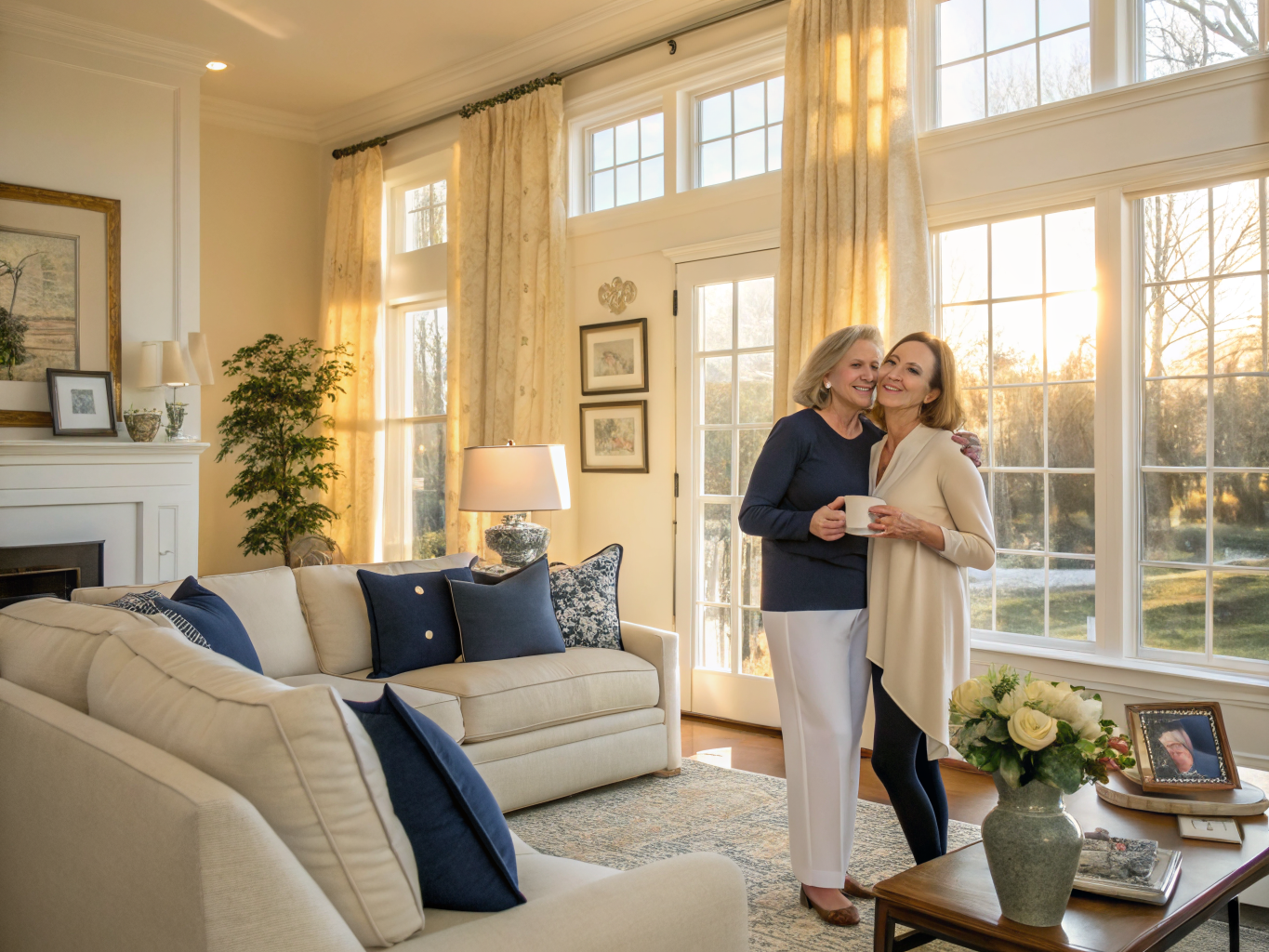
Why Winter Is Especially Dangerous for Seniors in New Jersey
New Jersey winters bring freezing temperatures, ice storms, and nor’easters that pose serious risks for older adults. According to the Centers for Disease Control and Prevention (CDC), adults over 65 account for the majority of hypothermia-related deaths in the United States — and many of these incidents happen inside the home, not outdoors. For NJ seniors aging in place, winter demands deliberate safety planning that addresses everything from heating systems to ice removal to social isolation.
At 24 Hour Home Care NJ, we see firsthand how cold weather compounds the challenges seniors face. Mobility limitations make navigating icy walkways treacherous. Chronic conditions like arthritis worsen in the cold. Power outages during winter storms leave vulnerable adults without heat. And the shorter, darker days of winter can deepen feelings of loneliness and depression. With proper preparation and professional home care support, NJ seniors can stay safe and comfortable through even the harshest winter months.
Whether your loved one lives in Morris County, Bergen County, or Essex County, this guide covers the essential winter safety strategies every family should know — and how caregivers play a critical role in preventing cold-weather emergencies.
Hypothermia Risk: Seniors Lose Body Heat Faster Than You Think
Hypothermia occurs when body temperature drops below 95°F, and it is a medical emergency. What many families do not realize is that hypothermia can develop in seniors at temperatures that feel perfectly comfortable to younger adults. The National Institute on Aging (NIA) warns that older adults can develop hypothermia after even brief exposure to mildly cold temperatures — including inside a poorly heated home.
Several age-related changes make seniors especially vulnerable to hypothermia. As we age, our bodies produce less heat through metabolism, and the ability to sense temperature drops diminishes. Subcutaneous fat, which acts as natural insulation, decreases with age. Blood circulation slows, particularly to the extremities. And certain chronic conditions — including diabetes, thyroid disorders, and Parkinson’s disease — further impair the body’s thermoregulation.
Warning signs of hypothermia in seniors can be subtle and easily mistaken for other conditions. Cold or pale skin, confusion, drowsiness, slurred speech, and slow or shallow breathing all warrant immediate medical attention. Notably, some older adults may not shiver when their body temperature drops, removing what many people consider the most obvious warning sign. This is why continuous monitoring by a 24-hour caregiver is so valuable during NJ winters — a trained aide recognizes early hypothermia signs that family members might overlook during a brief visit.
Prevention starts with maintaining indoor temperatures at 68°F or higher. Seniors should dress in warm layers even indoors, use warm blankets when resting, and eat regular warm meals. Caregivers from 24 Hour Home Care NJ monitor thermostat settings, check that heating systems are functioning properly, and watch for early warning signs throughout the day and night.
Home Heating Safety: Space Heaters, Carbon Monoxide, and Fire Prevention
Keeping the home warm is essential, but the methods seniors use to heat their homes can introduce new dangers. Space heaters, fireplaces, and older heating systems all carry risks that require careful management — especially when cognitive decline affects a senior’s judgment about safety.
Space heaters are responsible for approximately 1,700 house fires annually in the United States, according to the National Fire Protection Association. Seniors who use space heaters to supplement inadequate heating or reduce utility bills may place them too close to curtains, bedding, or furniture. Portable heaters can also be tripped over by seniors with mobility challenges, and older models may lack automatic shut-off features.
Carbon monoxide (CO) poisoning is another silent winter danger. Gas furnaces, fireplaces, gas stoves used for heating, and generators during power outages all produce carbon monoxide. Seniors with diminished sense of smell may not detect a gas leak, and CO poisoning symptoms — headache, dizziness, confusion, and nausea — can mimic common senior health complaints, delaying life-saving intervention.
Professional caregivers address heating safety comprehensively. Our aides ensure space heaters maintain a three-foot clearance from all combustible materials, verify that CO detectors have fresh batteries and are functioning, check that furnace filters are clean and vents are unobstructed, and never allow a gas stove to be used for home heating. For seniors in Union County and Middlesex County, where many homes have older heating systems, these safety checks are especially critical.
Ice, Snow, and Fall Prevention: Keeping Walkways Safe
Falls are the leading cause of injury-related death among adults over 65, and winter weather dramatically increases fall risk. Icy driveways, snow-covered steps, frozen walkways, and wet entryway floors create treacherous conditions for seniors with balance issues, limited vision, or mobility challenges. A single fall on ice can result in a hip fracture, traumatic brain injury, or prolonged hospitalization that fundamentally changes a senior’s independence.
Fall prevention during winter requires a multi-layered approach. Exterior walkways and driveways need prompt snow removal and ice treatment — preferably before the senior attempts to go outside. Steps and railings should be cleared and salted. Exterior lighting should illuminate all pathways, especially during the early darkness of winter afternoons. And indoor entryways need non-slip mats to catch tracked-in snow and water.
Home care aides from 24 Hour Home Care NJ handle winter-specific fall prevention tasks that seniors should never attempt themselves. This includes shoveling snow, spreading ice melt on walkways, bringing in the mail and packages so seniors avoid icy trips to the mailbox, and accompanying seniors to medical appointments during winter weather. For seniors who use walkers or canes, caregivers ensure that rubber tips are in good condition and may recommend ice-grip attachments for outdoor use.
Inside the home, winter also increases fall risk. Seniors wearing thick socks for warmth may lose traction on hardwood or tile floors. Bulky winter clothing can catch on furniture or door handles. And the stiffness that cold weather causes in arthritic joints reduces balance and reaction time. Live-in caregivers address these indoor risks by ensuring non-slip footwear, clear pathways, and steady assistance during transfers and ambulation.
Winter Isolation, Depression, and Medication Effects
The physical dangers of winter often overshadow an equally serious threat: the social isolation and depression that cold weather brings. When icy roads and freezing temperatures keep seniors homebound for days or weeks, the resulting loneliness can accelerate cognitive decline, worsen depression, and even increase mortality risk. A study published in the National Library of Medicine found that social isolation in older adults is associated with a 50% increased risk of developing dementia.
Winter isolation hits NJ seniors particularly hard. Canceled medical appointments, postponed visits from family and friends, inability to attend religious services or senior center activities, and the simple loss of daily walks or outdoor time all compound to create a bleak emotional landscape. Seasonal Affective Disorder (SAD), which is triggered by reduced sunlight exposure, further compounds depression in older adults during winter months.
Professional caregivers combat winter isolation in meaningful ways. Beyond providing essential physical care, a companion caregiver offers conversation, shared activities, mental stimulation, and a consistent human connection that breaks the cycle of loneliness. Caregivers also facilitate video calls with family members, help seniors maintain hobby activities indoors, and provide transportation to appointments and social events when weather permits.
Cold weather also affects how medications work in seniors’ bodies. Beta-blockers, commonly prescribed for high blood pressure and heart conditions, reduce circulation to the extremities and impair the body’s ability to sense cold. Sedatives and sleep medications can reduce the shivering response. Thyroid medications, if poorly calibrated, impair overall temperature regulation. And some diabetes medications affect the body’s metabolic heat production. Caregivers who manage medication schedules are trained to recognize when cold-weather symptoms might indicate a medication interaction rather than a simple chill.
NJ Utility Assistance and Emergency Preparedness for Nor’easters
New Jersey offers several critical programs that help seniors afford winter heating. The Low Income Home Energy Assistance Program (LIHEAP) provides direct payments to utility companies on behalf of eligible seniors. The Universal Service Fund (USF) offers additional assistance for the lowest-income households. And NJ’s Winter Termination Program prohibits utilities from shutting off gas and electric service to eligible customers between November 15 and March 15 — a crucial safeguard for seniors on fixed incomes.
The Weatherization Assistance Program (WAP) provides free home improvements — insulation, window sealing, and heating system repairs — that help seniors stay warm while reducing energy costs. Seniors in Passaic County, Somerset County, and throughout NJ can apply through their county’s Board of Social Services.
Emergency preparedness for winter storms is equally critical. Nor’easters can bring power outages lasting days, making backup heating plans essential. Every senior’s winter preparedness kit should include warm blankets, battery-operated flashlights and radio, a three-day supply of medications and non-perishable food, bottled water, a fully charged cell phone with emergency numbers, and a plan for where to go if the home becomes too cold. Caregivers from 24 Hour Home Care NJ help families create and maintain these emergency kits and serve as the first line of response when storms knock out power or block roads.
During severe weather events, our 24-hour care team coordinates closely with families to ensure continuous coverage. Live-in caregivers remain with seniors throughout storms, monitoring temperature, preparing warm meals, and communicating with family members about conditions. This peace of mind is invaluable when roads are impassable and adult children cannot reach their parents’ homes.
Related reading: Emergency Preparedness for Seniors at Home in NJ.
How Caregivers Provide Comprehensive Winter Safety
Professional winter safety for seniors goes far beyond any single precaution — it requires a systematic, daily approach that addresses every cold-weather risk. At 24 Hour Home Care NJ, our caregivers are specifically trained in winter safety protocols that keep seniors safe from November through March.
Daily winter safety tasks performed by our caregivers include monitoring indoor temperature and adjusting heating systems, checking that the senior is dressed warmly in layers, preparing hot meals and warm beverages throughout the day, inspecting walkways and steps for ice, managing snow removal and ice treatment, monitoring for hypothermia symptoms, ensuring adequate hydration (seniors often drink less in winter, increasing dehydration risk), and maintaining social engagement through activities and conversation.
Caregivers also coordinate with families and medical providers on winter-specific concerns. If a senior’s medications change, we update our care plan to account for cold-weather interactions. If a heating system needs repair, we alert the family and help arrange service. If a storm is approaching, we stock the home with essentials and confirm backup plans. This proactive, comprehensive approach is what makes professional home care during NJ winters so much more effective than periodic family check-ins alone.
Don’t wait for the first freeze to think about winter safety. Call 24 Hour Home Care NJ at (908) 912-6342 to schedule a free home assessment that evaluates your loved one’s winter preparedness and creates a customized cold-weather care plan.