
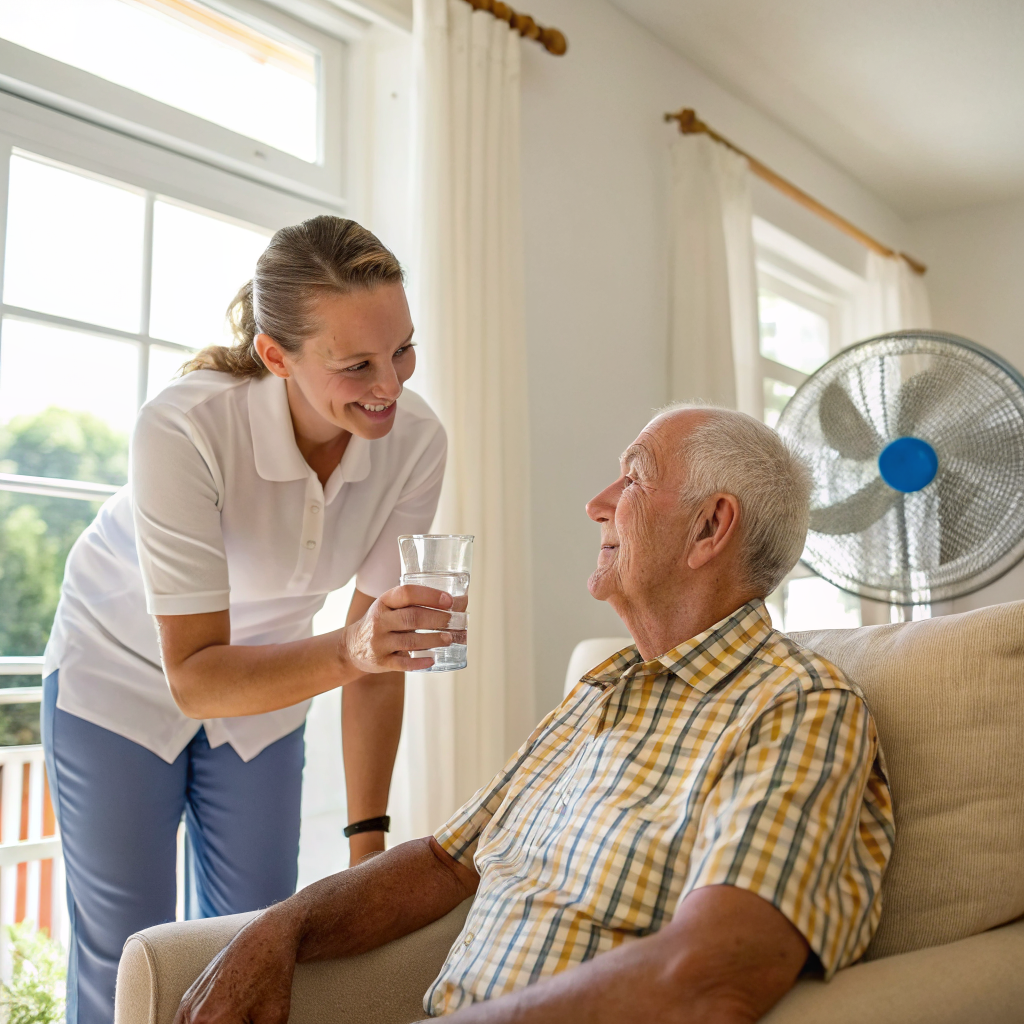
New Jersey summers can be brutal. With temperatures regularly climbing above 90°F and heat index values pushing well past 100°F, the Garden State’s hot, humid summers pose serious — even life-threatening — risks for older adults. Heat stroke kills more Americans each year than hurricanes, tornadoes, and floods combined, and seniors are disproportionately affected.
24 Hour Home Care NJ provides professional senior home care throughout the summer months, ensuring older adults across New Jersey stay cool, hydrated, and safe when temperatures soar.
Why Seniors Are Especially Vulnerable to Summer Heat
The physiology of aging creates several compounding vulnerabilities to heat:
- Reduced thirst sensation: Older adults often do not feel thirsty until they are already significantly dehydrated — a dangerous lag that home aides must compensate for.
- Diminished sweating capacity: Aging sweat glands become less efficient, impairing the body’s primary cooling mechanism.
- Cardiovascular strain: Redirecting blood flow to the skin for cooling places extra demand on hearts that may already be compromised by coronary disease or heart failure.
- Medication effects: Diuretics, beta-blockers, anticholinergics, and many psychiatric medications impair heat regulation or accelerate fluid loss.
- Chronic conditions: Diabetes, obesity, and kidney disease all reduce heat tolerance significantly.
Recognizing Heat-Related Illness: A Caregiver’s Guide
Heat Cramps
Painful muscle spasms in the legs or abdomen, often accompanied by heavy sweating. Respond with rest in a cool area and electrolyte replacement.
Heat Exhaustion
Symptoms include heavy sweating, weakness, cool and pale skin, fast and weak pulse, nausea, and possible fainting. Move the senior to air conditioning, apply cool wet cloths, and offer sips of water or electrolyte drinks. If symptoms don’t improve within 30 minutes, seek medical care.
Heat Stroke — A Medical Emergency
Hot, dry, or damp skin; high body temperature (103°F+); confusion or altered mental status; strong rapid pulse; unconsciousness. Call 911 immediately. While waiting for emergency services, move the person to a cool environment and apply ice packs to the neck, armpits, and groin.
How Home Care Prevents Heat Emergencies
Proactive Hydration Protocols
Our aides don’t wait for seniors to say they’re thirsty. They offer water, diluted juices, and electrolyte-enhanced beverages every 60–90 minutes during hot weather. For seniors with swallowing difficulties, aides use thickened liquids as prescribed by speech therapists.
Environmental Control
Aides ensure air conditioning is functioning and set appropriately (ideally 72–76°F for seniors), identify cool spots in the home, use fans strategically, apply cool damp cloths to pulse points, and prevent seniors from entering hot vehicles or outdoor areas during peak heat hours (10am–4pm).
Appropriate Clothing and Activity Pacing
Light, loose-fitting, light-colored clothing in breathable fabrics; sun hats for outdoor time; sunscreen application; and rescheduling activities to morning or evening hours when temperatures are more manageable.
Medication Monitoring
Aides document and report changes in seniors’ condition to family members and can contact prescribing physicians when medications appear to be contributing to heat sensitivity.
Summer Safety Across NJ Communities
Families in Ocean County and Monmouth County enjoy coastal breezes that can provide some relief, but high humidity remains a danger. Inland counties like Hunterdon and Somerset can experience extreme heat events with little relief. Urban areas in Essex County face heat island effects that push temperatures several degrees higher than surrounding suburbs.
Our caregivers know these regional patterns and adjust care plans accordingly — whether that means coordinating cooling center visits, arranging pool-side supervision, or simply ensuring the air conditioning bill gets paid and the system keeps running.
Safe Summer Activities With Home Care Support
Staying active is important for seniors’ physical and mental health even in summer. With companion care support, seniors can safely enjoy:
- Early morning walks (before 9am) in shaded parks
- Indoor chair yoga or light stretching
- Visits to air-conditioned libraries, senior centers, or malls
- Water-based activities at appropriate indoor pools
- Gardening in brief, supervised sessions in the early evening
Call us today at (908) 912-6342 or contact us online to schedule a free in-home assessment. Our caregivers serve families across Union, Essex, Morris, Middlesex, Bergen, Somerset, Passaic, Hunterdon, Mercer, Monmouth, and Ocean counties.
Frequently Asked Questions
- At what temperature is heat dangerous for seniors?
-
Seniors face significant risk when heat index temperatures exceed 80°F. NJ summers regularly reach 90–100°F heat index values, making outdoor time hazardous without precautions.
- What are early warning signs of heat exhaustion in the elderly?
-
Heavy sweating, weakness, cool pale skin, fast weak pulse, nausea, and muscle cramps are early signs. Progression to hot dry skin, confusion, and loss of consciousness indicates heat stroke — a medical emergency.
- How does home care prevent dehydration in seniors during summer?
-
Home aides offer fluids proactively every 1–2 hours, track fluid intake, prepare electrolyte-rich beverages, and recognize early signs of dehydration such as dark urine, dry mouth, and confusion.
- Which NJ counties experience the most dangerous summer heat?
-
Southern NJ counties including Ocean and Monmouth tend to experience the most prolonged heat events, but urban heat islands in Essex, Union, and Hudson counties also create dangerous microclimates for seniors.
- Can Medicare or insurance cover home care during a heat emergency?
-
Standard home care (non-medical personal care) is typically private pay in NJ at $22–$30/hour. However, some long-term care insurance policies cover heat-related care increases. NJ’s Area Agencies on Aging may offer emergency assistance for low-income seniors.
Explore our full range of services for seniors in Bergen County, Mercer County, and Passaic County. Call us at (908) 912-6342 to discuss a summer care plan for your loved one.
Leave a Reply