
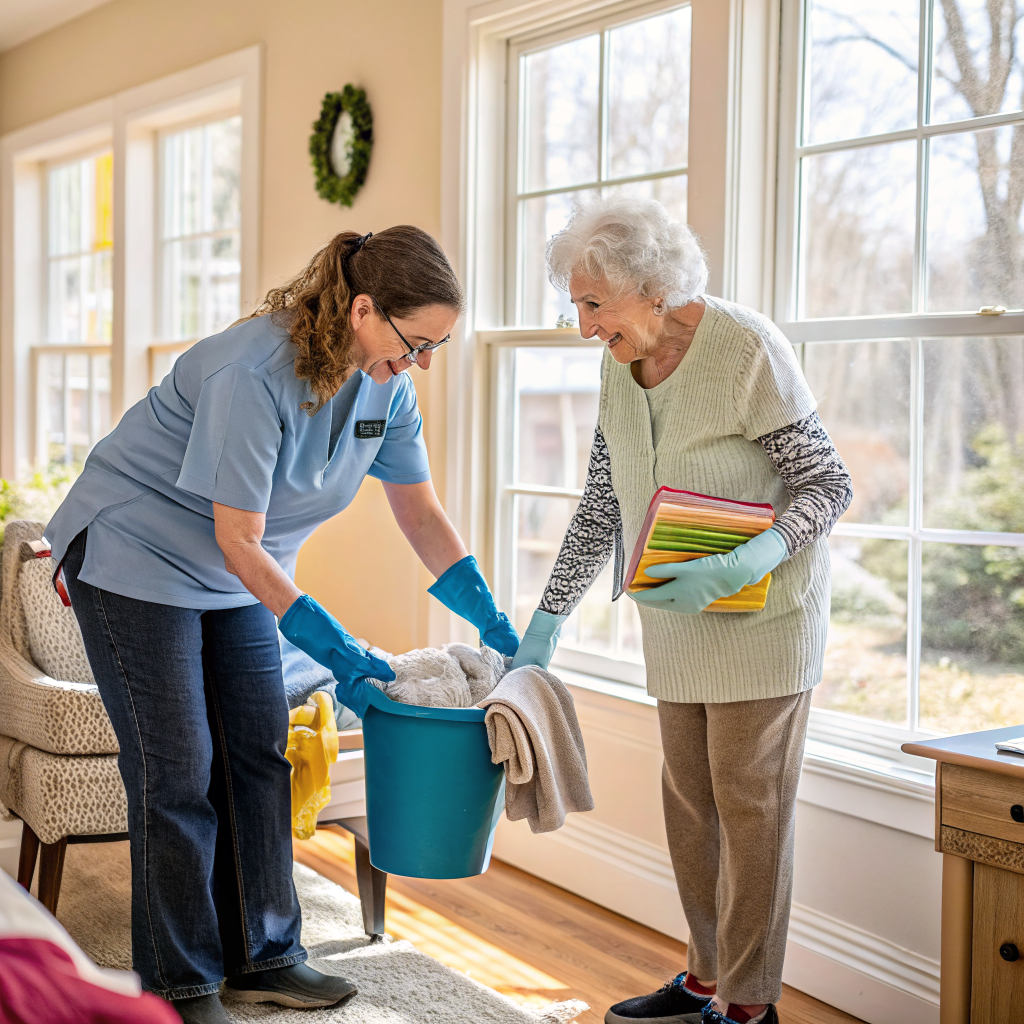
Spring is the season of renewal — and for families with aging loved ones, it’s also the ideal time to conduct a thorough home safety audit. The harsh NJ winter can create new hazards, accumulated clutter can multiply trip risks, and a senior’s changing physical condition may reveal safety gaps that weren’t apparent last year.
At 24 Hour Home Care NJ, our caregivers incorporate safety awareness into every visit. This spring cleaning guide is designed to help NJ families and professional caregivers systematically assess and improve senior home safety — room by room.
Why Spring Is the Right Time for a Safety Audit
Several factors make spring the optimal season for a comprehensive home safety review:
- Winter’s reduced activity often means increased clutter and deferred maintenance
- Post-winter outdoor surfaces may be damaged by freeze-thaw cycles
- Spring’s increased activity level — more outdoor time, more visitors — creates new interaction with the environment
- The one-year mark from last year’s spring audit is a natural schedule reset point
- Allergy season creates new triggers for respiratory events that can affect balance and coordination
Room-by-Room Safety Audit
Bathroom: The Highest-Risk Room
The bathroom is statistically the most dangerous room in a senior’s home, accounting for the largest share of falls. Spring cleaning priorities:
- Grab bars: Verify that grab bars next to the toilet and in the shower/tub are properly anchored to wall studs — not just drywall. Test by applying significant lateral force.
- Non-slip surfaces: Replace worn bath mats; consider adhesive non-slip strips in the tub/shower and on tile floors.
- Shower chair or tub transfer bench: For seniors with balance or strength limitations.
- Lighting: Install a night light for nocturnal bathroom trips. Consider motion-activated lighting.
- Medicine cabinet: Dispose of expired medications properly (NJ has medication disposal sites through county health departments). Organize to ensure correct medications are easily identifiable.
- Water temperature: Set water heater to 120°F maximum to prevent scalding — seniors’ reduced temperature sensitivity increases burn risk.
Kitchen
- Clear pathways between counter, stove, and refrigerator — avoid chairs, step stools, or items that could be tripped over
- Frequently used items at accessible heights — avoid overhead reaching and floor-level bending
- Non-slip mat in front of the sink
- Fire extinguisher within reach of the stove — check expiration date
- Stove knob covers for seniors with cognitive impairment to prevent unintended gas activation
- Refrigerator audit: Discard expired foods and reorganize so fresh foods are visible and accessible
Bedroom
- Clear path from bed to bathroom and from bed to door with lights off
- Bed height: Adjust so senior can sit with feet flat on the floor — too-high beds increase fall risk when rising
- Night light with motion activation or a reachable bedside lamp
- Telephone or emergency call device within reach from the bed
- Secure loose rugs with non-slip backing or remove entirely
Living Areas
- Furniture arrangement: Ensure clear pathways of at least 36 inches between furniture
- Secure electrical cords against walls — never crossing traffic areas
- Stable chairs and sofas at heights that allow easy rising — firm, not excessively soft or low
- Smoke and CO detectors: Test batteries, replace if more than 10 years old
Stairs and Entryways
- Handrails on both sides of stairways, firmly anchored
- Non-slip treads on all steps — check for worn surfaces
- Adequate lighting at top and bottom of stairs
- Outdoor walkways: Inspect for winter heaving, cracks, or uneven surfaces; repair or flag before spring outdoor activity increases
- Threshold strips: Inspect for raised edges that could catch feet
How Home Aides Support Year-Round Safety
A one-time spring cleaning audit is a valuable start, but ongoing safety requires consistent, informed eyes in the home. Our home health aides and companion caregivers maintain daily awareness of safety conditions — flagging developing hazards, assisting with tasks that could cause falls, and communicating changes in the senior’s physical capability that affect safety needs.
Families in Essex, Morris, Union, and Middlesex counties work with our caregivers to turn the home safety principles in this guide into daily practice.
Call us today at (908) 912-6342 or contact us online to schedule a free in-home assessment. Our caregivers serve families across Union, Essex, Morris, Middlesex, Bergen, Somerset, Passaic, Hunterdon, Mercer, Monmouth, and Ocean counties.
Frequently Asked Questions
- What are the most important spring cleaning safety tasks for a senior’s home?
-
Clearing pathways of clutter, securing loose rugs, testing smoke and CO detectors, checking medication expiration dates, inspecting outdoor walkways for winter damage, and cleaning gutters to prevent water damage near entryways are the highest priorities.
- How often should a senior’s home receive a safety audit?
-
A thorough home safety audit should be performed at least twice yearly — ideally in spring and fall — with informal checks after any significant change in the senior’s health or mobility status.
- Can a home care aide perform a home safety audit?
-
Our home care aides can perform a basic home safety review and identify obvious hazards. For a comprehensive certified assessment, we recommend requesting an occupational therapist home visit through your senior’s healthcare provider.
- What’s the most dangerous room in a senior’s home?
-
The bathroom is statistically the most hazardous room — accounting for the largest proportion of senior falls. Key modifications include grab bars, non-slip mats, shower chairs, and handheld shower heads.
- Are bathroom grab bars covered by insurance for NJ seniors?
-
Standard homeowner’s policies don’t cover grab bars, but some Medicare Advantage plans include home modification benefits. NJ’s Division of Aging Services offers home modification assistance through several programs for qualifying low-income seniors.
Leave a Reply