
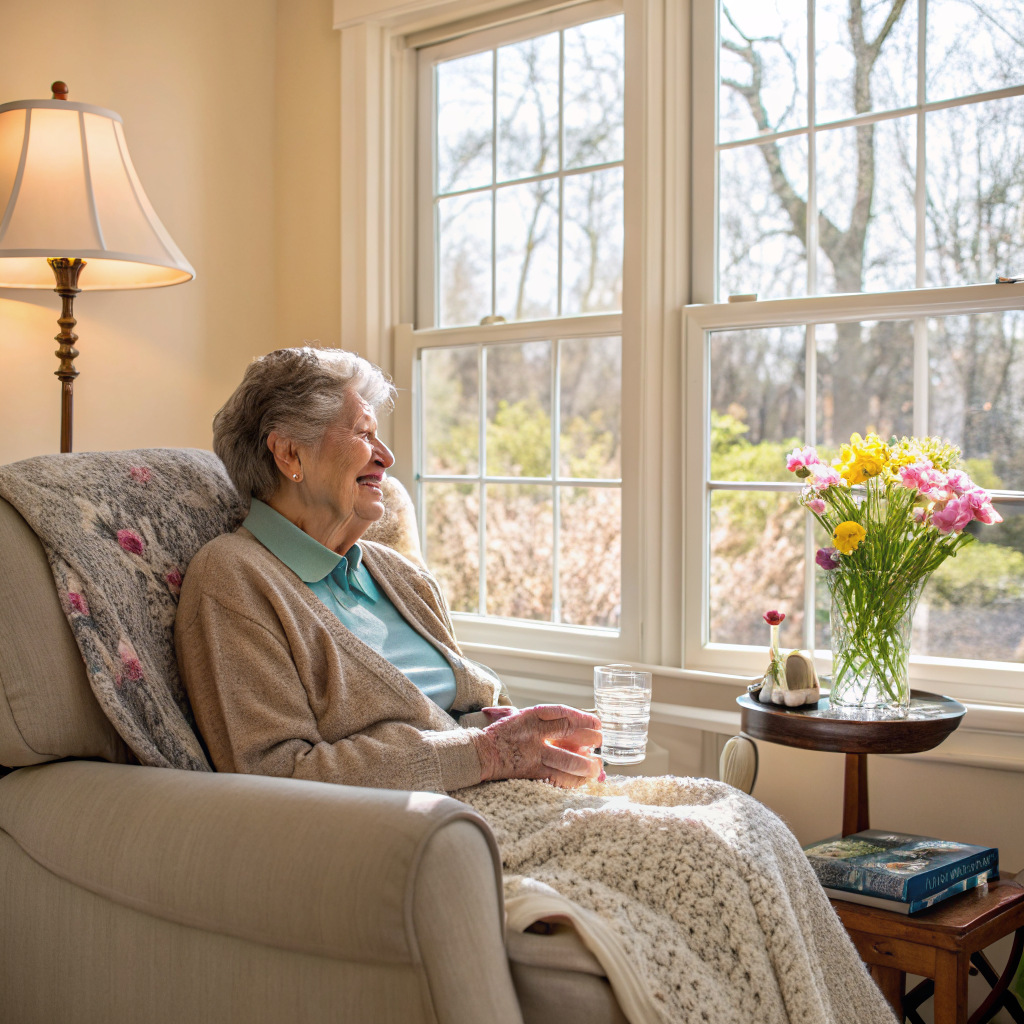
Every spring, millions of New Jersey residents brace for allergy season — but for seniors, the stakes are considerably higher. Older adults face unique physiological challenges that make pollen, mold spores, and other springtime allergens far more disruptive and potentially dangerous than for younger generations.
At 24 Hour Home Care NJ, our professional home health aides provide critical support during spring allergy season, helping seniors across the Garden State breathe easier, stay comfortable, and avoid complications that can arise from unmanaged allergic responses.
Why Spring Allergy Season Is Harder on Seniors
New Jersey’s diverse landscape — from the Pine Barrens to suburban lawns to Bergen County’s tree-lined streets — creates one of the highest pollen loads in the Northeast. Oak, birch, maple, and grass pollens surge from March through June, while mold spores proliferate with spring rains.
For older adults, this seasonal onslaught intersects with several age-related vulnerabilities:
- Weakened immune regulation: Aging immune systems can both over-react (triggering stronger allergy symptoms) and under-react (leaving seniors more susceptible to secondary infections).
- Polypharmacy interactions: Many seniors take blood pressure medications, diuretics, or beta-blockers that can amplify or mask allergy symptoms.
- Compromised respiratory reserves: Seniors with COPD, asthma, or heart failure have less capacity to handle the additional respiratory burden of allergic inflammation.
- Reduced mobility: Seniors who cannot easily move away from pollen-heavy outdoor areas depend on caregivers to manage their environment.
How Home Care Aides Protect NJ Seniors During Allergy Season
Professional 24-hour home care provides a consistent, informed presence that can make an enormous difference during allergy season. Here is what our NJ caregivers do:
1. Daily Pollen Monitoring and Exposure Management
Aides check daily pollen reports from sources like the NJ Department of Health and adjust routines accordingly — keeping windows closed on high-pollen mornings, scheduling outdoor activities for after rain (which washes pollen from the air), and ensuring HEPA air purifiers are running in primary living areas.
2. Medication Management and Reminders
Antihistamines, nasal corticosteroids, and decongestants all require precise timing and dosing. Our aides provide medication reminders and observe for side effects — particularly important for seniors who may experience drowsiness or balance issues from first-generation antihistamines like diphenhydramine.
3. Indoor Air Quality Maintenance
Home aides perform regular dusting, vacuum with HEPA-filter vacuums, launder bedding frequently to remove pollen that settles overnight, and wipe down surfaces that accumulate allergens. They also help seniors change clothes after outdoor time, which transfers pollen indoors.
4. Hydration and Nutrition Support
Adequate hydration thins mucus secretions and supports immune function. Aides ensure seniors are drinking sufficient fluids throughout the day and help prepare anti-inflammatory foods — omega-3-rich meals, local honey, and quercetin-containing foods like apples and onions — that can modestly reduce allergic inflammation.
5. Recognizing When Symptoms Escalate
Experienced home aides know the difference between routine allergy symptoms and warning signs requiring medical attention: difficulty breathing, wheezing, chest tightness, or a high fever indicating a secondary bacterial sinus infection. They can promptly alert family members or arrange transportation to providers like Morristown Medical Center or Saint Barnabas Medical Center.
Special Considerations: Allergies and Cognitive Decline
For seniors with Alzheimer’s disease or dementia, allergy season introduces additional complications. Inflammatory cytokines released during allergic reactions can cross the blood-brain barrier and temporarily worsen confusion, agitation, and sleep disturbances. Caregivers trained in memory care recognize these patterns and adjust care accordingly — increasing structure, reducing stimulation, and communicating changes to family care teams.
Choosing the Right Level of Support for Spring
Families across Essex County, Morris County, and Union County often increase their loved one’s care hours during peak allergy months. Options include:
- Part-day companion care (4–6 hours): For seniors who mainly need monitoring and light household tasks during daytime pollen peaks.
- Live-in care: For seniors who require around-the-clock supervision, particularly those with respiratory conditions or cognitive impairments.
- Overnight care: For seniors whose allergies disturb sleep significantly or who experience confusion at night.
Home care rates in NJ typically range from $22–$30 per hour, with live-in arrangements often more economical for families needing 12+ daily hours of support.
Working With Your Senior’s Allergist and Primary Care Team
Effective allergy management for seniors is a team effort. Our aides document symptom patterns, medication side effects, and environmental triggers to share with allergists and PCPs. This real-world observational data helps physicians fine-tune treatment plans — adjusting antihistamine timing, recommending immunotherapy, or prescribing montelukast for seniors with combined allergic and asthmatic symptoms.
Call us today at (908) 912-6342 or contact us online to schedule a free in-home assessment. Our caregivers serve families across Union, Essex, Morris, Middlesex, Bergen, Somerset, Passaic, Hunterdon, Mercer, Monmouth, and Ocean counties.
Frequently Asked Questions
- Why are seniors more vulnerable to spring allergies in New Jersey?
-
Seniors often have weaker immune systems, take multiple medications that can interact with allergy triggers, and may have underlying respiratory conditions like COPD or asthma, making pollen season especially challenging in NJ.
- How does a home care aide help manage allergy symptoms for seniors?
-
Home aides can monitor pollen counts, keep windows closed on high-pollen days, help administer prescribed allergy medications, clean surfaces to reduce indoor allergens, and accompany seniors to medical appointments when symptoms worsen.
- What are the most common spring allergens in New Jersey?
-
Tree pollen (especially oak, birch, and maple), grass pollen, and mold spores are the primary spring allergens in NJ, typically peaking from March through June.
- Can allergies worsen dementia symptoms in seniors?
-
Yes — inflammation from allergies can temporarily worsen cognitive symptoms, cause increased confusion, and disrupt sleep patterns in seniors with dementia or Alzheimer’s disease.
- How much does home care cost for allergy season support in NJ?
-
Home care in NJ typically ranges from $22–$30 per hour depending on the level of care needed. Many families choose 4–8 hour daily shifts during peak allergy season for consistent monitoring and support.
For more information about our services across New Jersey, explore our Bergen County home care, Somerset County home care, and Middlesex County home care pages. Our team is ready to help your family navigate every season safely.
Leave a Reply