
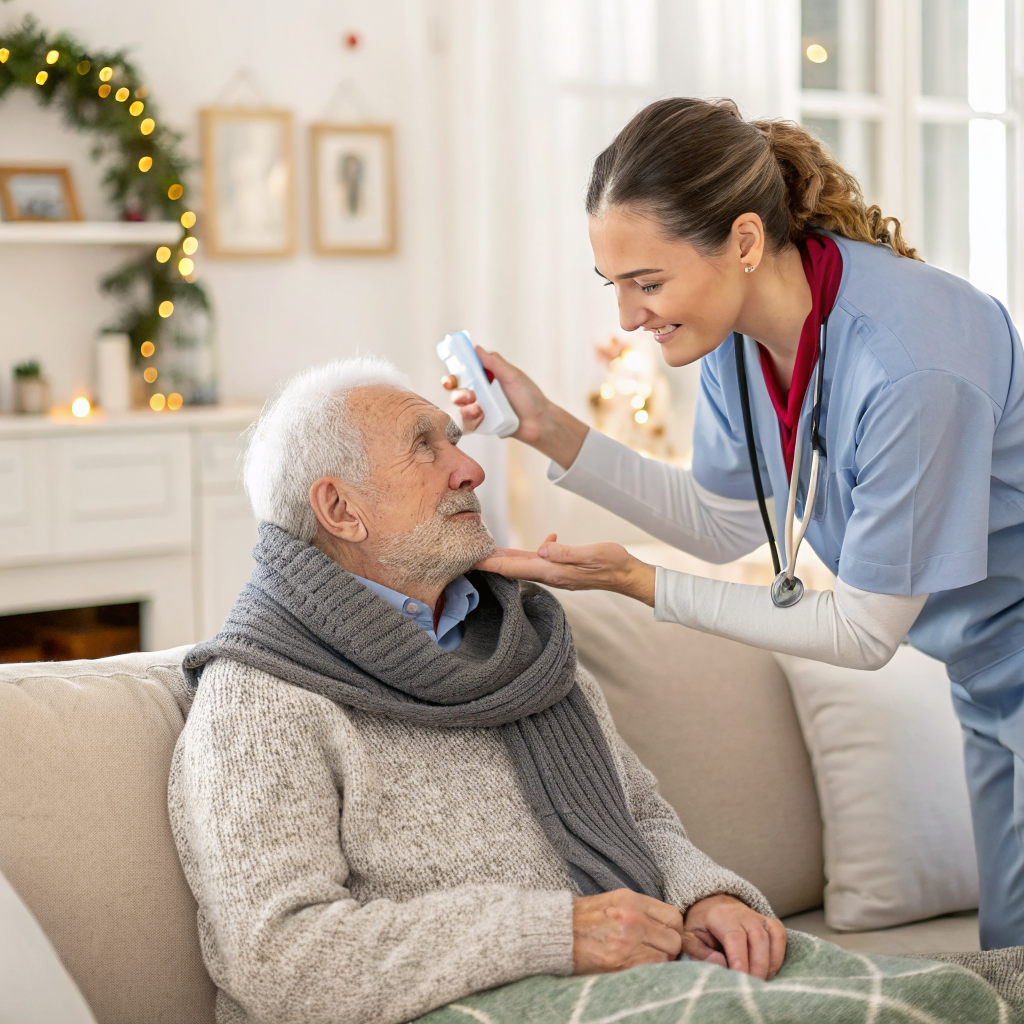
Each autumn, flu season descends on New Jersey — and while the influenza virus can make anyone miserable, it can be genuinely life-threatening for adults over 65. Seniors account for the vast majority of flu-related hospitalizations and deaths in the United States each year, making flu season a genuine public health emergency for older adults and the families and caregivers who support them.
24 Hour Home Care NJ takes flu season seriously. Our care protocols, caregiver training, and family communication systems are designed to protect the seniors we serve through every influenza season.
Why Flu Is More Dangerous for Seniors
The immune system ages in ways that specifically impair response to influenza:
- Immunosenescence: The gradual aging of the immune system reduces the number and function of T cells and B cells responsible for fighting viral infections.
- Inflammation dysregulation: Aging immune systems can both fail to fight infections effectively and generate excessive inflammatory responses that damage tissue — a dangerous combination in flu.
- Vaccine response: Standard flu vaccines produce substantially weaker antibody responses in seniors, which is why high-dose formulations are now recommended for adults over 65.
- Comorbidities: Heart disease, diabetes, COPD, and chronic kidney disease — common in seniors — dramatically increase flu complication risk.
Flu Prevention: What Professional Home Care Provides
Vaccination Support
Our companion caregivers and home health aides can accompany seniors to flu vaccination appointments, arrange for mobile vaccination services, and remind seniors of annual vaccination timing. We work with families to ensure that the high-dose or adjuvanted formulations recommended for seniors are specifically requested.
Hand Hygiene and Environmental Disinfection
Influenza survives on hard surfaces for 24 hours. Our caregivers regularly disinfect high-touch surfaces — doorknobs, remote controls, phone handsets, bathroom fixtures — particularly during flu season. We model and assist with proper hand hygiene (20-second handwashing with soap) and use alcohol-based hand sanitizer between tasks.
Reducing Exposure Risks
Caregivers who are themselves ill do not report to work — a critical protection for immunocompromised seniors. Our agency maintains backup staffing specifically for illness-related caregiver absences, ensuring continuity of care without compromising the senior’s safety.
Nutritional and Hydration Support
Adequate nutrition and hydration support immune function. Our aides ensure seniors eat balanced meals rich in protein, vitamins C and D, and zinc — nutrients with evidence for supporting immune response. Hydration monitoring continues through flu season.
When Flu Strikes: Home Care During Illness
When a senior in our care contracts influenza, our response escalates immediately:
- Immediate family notification and physician contact within 24 hours of symptom onset
- Antiviral coordination — our aides can facilitate prescription pickup and ensure the senior starts antivirals within the therapeutic 48-hour window
- Intensive monitoring of temperature, fluid intake, output, oxygen saturation, and respiratory status
- Aspiration prevention — flu-weakened seniors are at elevated risk for aspiration pneumonia; positioning and feeding techniques are adjusted
- Escalation protocols — clear criteria for when to call 911 or arrange emergency transport to facilities like Morristown Medical Center, Overlook Medical Center, or Hackensack University Medical Center
Pneumonia: The Flu Complication That Kills Seniors
Secondary bacterial pneumonia following influenza is the leading cause of flu-related death in seniors. Symptoms that indicate pneumonia developing include worsening breathlessness, productive cough (especially with discolored sputum), new chest pain, increasing confusion, and persistent high fever beyond day 3–4 of illness.
Our caregivers are trained to recognize these progression signs and escalate immediately. In seniors with underlying lung disease or heart failure, pneumonia can deteriorate within hours — making continuous professional supervision during flu illness genuinely lifesaving.
Most NJ seniors should also receive pneumococcal vaccines (Prevnar 20 or Pneumovax 23) to protect against the bacterial pneumonia that most commonly follows flu. Our caregivers can remind families to ensure these vaccines are up to date.
Flu Season Resources for NJ Seniors
The NJ Department of Health tracks flu activity statewide and provides county-level vaccination clinic information at nj.gov/health. The CDC’s flu resource center (cdc.gov/flu) includes provider directories for seniors seeking high-dose vaccines in their area.
Families in Essex County, Union County, Morris County, and across NJ can find flu vaccination clinics through their county health departments, CVS, Walgreens, and most primary care practices.
Call us today at (908) 912-6342 or contact us online to schedule a free in-home assessment. Our caregivers serve families across Union, Essex, Morris, Middlesex, Bergen, Somerset, Passaic, Hunterdon, Mercer, Monmouth, and Ocean counties.
Frequently Asked Questions
- Why is flu particularly dangerous for seniors over 65?
-
Adults over 65 account for 70–85% of seasonal flu deaths in the US. Aging immune systems mount weaker responses to infection, and seniors are more likely to develop serious complications including pneumonia, cardiac events, and dehydration requiring hospitalization.
- Should seniors get the high-dose flu vaccine?
-
Yes — the CDC and most infectious disease specialists recommend the high-dose or adjuvanted flu vaccine for adults 65 and older, as standard-dose vaccines produce weaker immune responses in older adults.
- How do home care aides prevent flu transmission?
-
Professional caregivers follow strict hand hygiene protocols, wear masks during respiratory illness seasons when appropriate, stay home when they are sick, and ensure seniors’ living environments are regularly disinfected to reduce viral load on surfaces.
- What are the signs that flu is progressing to pneumonia in an elderly person?
-
Worsening shortness of breath, increased confusion, persistent fever above 103°F after 2–3 days, chest pain, or oxygen saturation drops below 94% are warning signs that require immediate medical evaluation.
- How quickly should I seek medical care if my senior parent gets the flu?
-
Contact your parent’s physician within 24 hours of flu onset — antiviral medications like oseltamivir (Tamiflu) are most effective when started within 48 hours of symptom onset and can significantly reduce severity in high-risk seniors.
Leave a Reply