
Caregiver Burnout: Signs, Prevention, and How Respite Care Helps

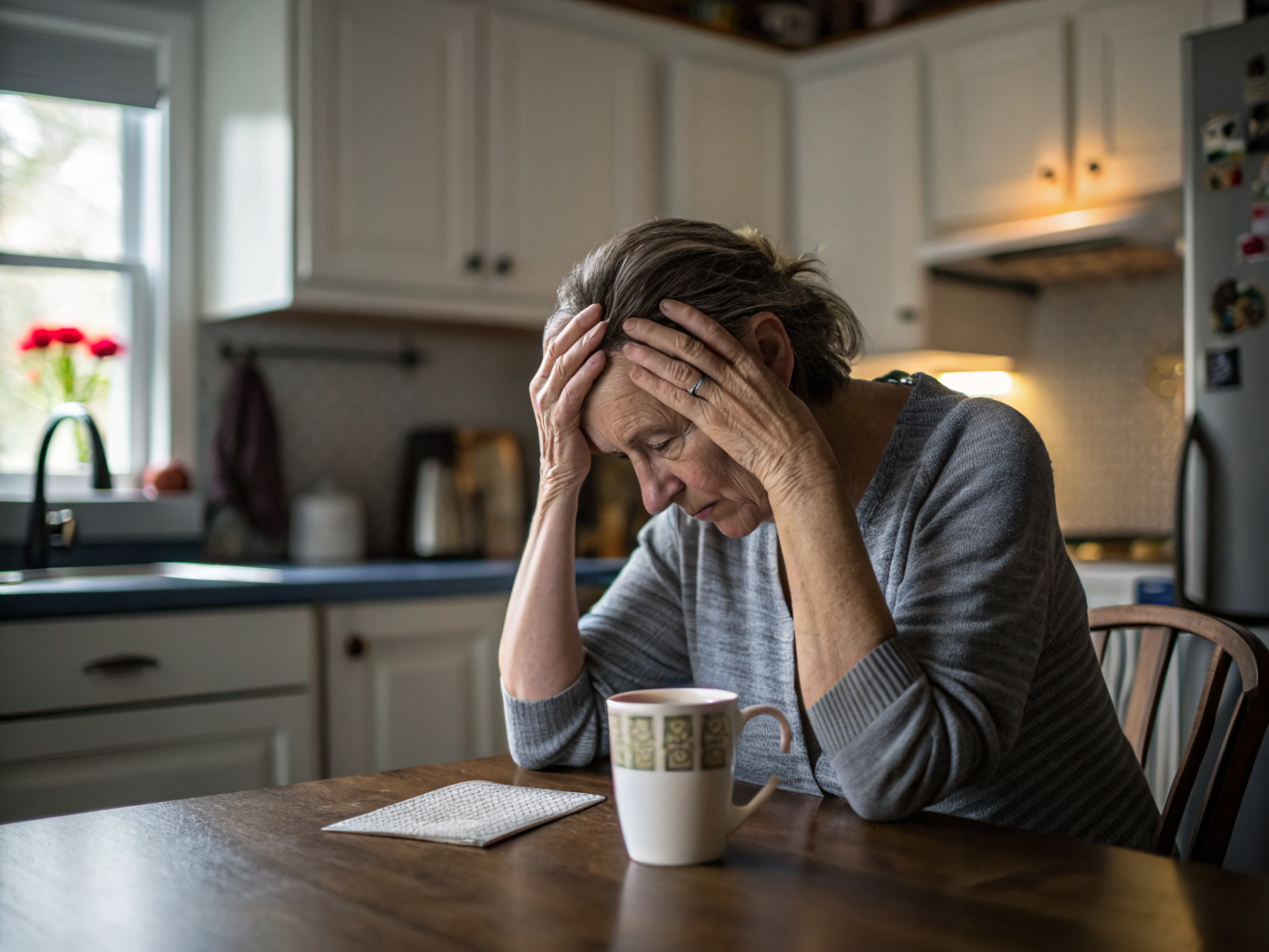
Warning Signs of Caregiver Burnout
- Persistent exhaustion that doesn’t improve with rest
- Increasing resentment, withdrawal, or depression
- Neglecting your own health, appointments, and relationships
- Feeling trapped, hopeless, or like there’s no way out
- Frequent illness or physical symptoms (headaches, chest pain, insomnia)
If you recognize these signs, call now: (908) 912-6342
Call (908) 912-6342 — Respite Care Available 24/7
Family caregiving is an act of profound love — and one of the most physically and emotionally demanding roles a person can take on. According to the Family Caregiver Alliance, more than 53 million Americans provide unpaid care to a loved one, and 40–70% of those caregivers experience clinically significant symptoms of depression. Caregiver burnout is not a sign of weakness — it is a predictable physiological and psychological response to sustained, unrelenting stress without adequate support. The solution is not to care less — it is to build in regular, professional support through respite care. Call (908) 912-6342 — 24 HOUR Home Care NJ can provide relief within 24 to 48 hours.
What Is Caregiver Burnout?
Caregiver burnout is a state of complete physical, emotional, and mental exhaustion that occurs when a family caregiver — a spouse, adult child, sibling, or other family member — provides sustained care without adequate help or respite. The National Institute on Aging describes it as a gradual erosion of wellbeing driven by the relentless demands of caregiving without enough support, recovery time, or self-care.
Unlike ordinary tiredness, burnout is chronic. It does not resolve with a single good night’s sleep. Without intervention — specifically, professional respite care and support — burnout worsens progressively, often resulting in caregiver health crises, relationship breakdowns, and ultimately, an inability to continue providing care at all.
Caregiver Burnout Statistics
The scale of caregiver burnout in America — and in New Jersey — is staggering:
- 53 million+ Americans provide unpaid care to an adult or child with special needs (Family Caregiver Alliance)
- 40–70% of family caregivers show clinically significant symptoms of depression
- 63% higher mortality rate among caregivers vs. non-caregivers of the same age
- 26% of caregivers rate their own health as fair or poor
- The average family caregiver provides 24+ hours of care per week — equivalent to a part-time job on top of existing responsibilities
- More than 60% of caregivers also maintain employment while providing care
These are not abstract statistics. They represent New Jersey families in Union County, Essex County, Morris County, and across the state who are quietly reaching their limit.
Physical Symptoms of Caregiver Burnout
Caregiver burnout is not just emotional — it manifests in measurable physical harm:
- Chronic sleep deprivation — Interrupted nights, hypervigilance, inability to relax even when resting
- Immune suppression — Caregivers get sick more often and recover more slowly due to chronically elevated cortisol
- Cardiovascular strain — Sustained stress increases risk of hypertension, heart disease, and stroke
- Musculoskeletal injury — Lifting, transferring, and assisting with mobility without proper training leads to back injuries
- Nutritional neglect — Caregivers skip meals, eat poorly, and miss their own medical appointments
- Weight changes — Both significant weight gain and loss are common in burned-out caregivers
The CDC recognizes caregiver health as a public health priority. A caregiver who becomes ill or incapacitated cannot care for their loved one — making self-care a medical necessity, not a luxury.

Caregiver burnout is a medical emergency. Call (908) 912-6342
Respite care through 24 HOUR Home Care NJ can begin within 24 hours. Our RN meets your family, maintains your loved one’s routine, and gives you the break you need.
Emotional Symptoms of Caregiver Burnout
The emotional dimension of burnout is equally serious and often harder to acknowledge:
- Depression and hopelessness — Persistent sadness, loss of pleasure in activities once enjoyed
- Anxiety and hypervigilance — Constant worry about the care recipient even when not providing care
- Resentment — Anger toward the care recipient, other family members who are not helping, or the situation itself
- Grief — Mourning the person your loved one used to be, especially with dementia or Alzheimer’s
- Guilt — Feeling guilty for negative feelings, for taking any time for yourself, or for considering professional care
- Social withdrawal — Pulling away from friends, family, and community activities
- Loss of identity — Defining yourself entirely by the caregiver role; losing sense of personal goals and interests
It is important to understand: these feelings are normal responses to an abnormal level of sustained demand. They do not make you a bad caregiver or a bad person. They are signals that your system needs support.
Prevention Strategies for Caregiver Burnout
Prevention is far more effective than crisis intervention. The following strategies are recommended by the AARP Caregiving and the Family Caregiver Alliance:
- Accept help — Practice saying yes. Identify specific tasks others can take on (grocery shopping, driving to appointments, medication pick-ups).
- Set boundaries — You cannot care for someone else sustainably if you are physically depleted. Establish daily non-negotiables: sleep, meals, and minimal personal time.
- Join a support group — Shared experience reduces isolation and provides practical strategies. The Family Caregiver Alliance maintains a national directory of NJ-based groups.
- See your own doctor — Caregivers routinely defer their own medical care. Schedule and keep your appointments.
- Use professional respite care — Scheduled, recurring respite breaks are the single most effective burnout prevention strategy.
- Plan for the long term — Caregiving typically increases in intensity over time. Build a professional care team early, not in crisis.
How Respite Care Prevents and Relieves Burnout
Respite care is professional, temporary home care that gives the family caregiver a genuine break. A licensed, trained caregiver from 24 HOUR Home Care NJ steps in — maintaining your loved one’s established routine, providing the same level of care you would provide — so you can truly rest without worry.
Respite care options available in New Jersey:
- Scheduled weekly respite — A few hours weekly so the family caregiver can run errands, exercise, or simply rest
- Daily respite — A caregiver covers morning or evening hours, reducing the caregiving load each day
- Overnight respite — Overnight care gives the family caregiver uninterrupted sleep — one of the most critical recovery interventions
- Extended respite — Multi-day to multi-week coverage for family caregiver vacations, medical recovery, or family events
- Emergency respite — When a family caregiver becomes ill or faces a crisis, same-day or next-day coverage is available
Respite care is not a concession — it is a strategy. Family caregivers who use professional respite regularly provide better care over the long term, have better health outcomes, and report significantly higher quality of life. Call (908) 912-6342.
When to Ask for Help
The most common mistake family caregivers make is waiting too long to ask for help. Here are clear signals that it is time to bring in professional support:
- You have not taken a meaningful break in more than two weeks
- You feel like you cannot leave even for a few hours without significant anxiety
- Your own health appointments, friendships, or work performance are suffering
- You have experienced thoughts of harming yourself or the care recipient
- You are regularly missing medication doses or safety issues are arising
- Your relationship with your loved one has become predominantly negative
- A family member, friend, or healthcare provider has expressed concern about you
If any of these apply, call (908) 912-6342 now. A Registered Nurse from 24 HOUR Home Care NJ will conduct a free in-home assessment, design a care plan that relieves your burden, and have a caregiver in place within 24 to 48 hours.
We serve families throughout New Jersey: Union County, Essex County, Morris County, Middlesex County, Bergen County, Somerset County, Mercer County, Passaic County, Hunterdon County, Monmouth County, Ocean County.
You Deserve a Break — Respite Care Starts Within 24 Hours
Call (908) 912-6342. Our RN visits your home, meets your loved one, and designs a respite care plan that gives you genuine relief. No contracts, no minimums — just professional, compassionate care.
Frequently Asked Questions: Caregiver Burnout and Respite Care
What are the warning signs of caregiver burnout?
Warning signs of caregiver burnout include persistent exhaustion that doesn’t improve with rest, increasing resentment toward the care recipient, withdrawing from friends and activities, frequent illness due to immune suppression, depression or anxiety, difficulty sleeping, feeling trapped or hopeless, and neglecting your own medical appointments. The Family Caregiver Alliance notes that 40–70% of family caregivers show clinically significant symptoms of depression. Call (908) 912-6342 — respite care can provide immediate relief.
How is respite care different from regular home care?
Respite care is home care specifically designed to provide temporary relief for the family caregiver — not just care for the senior. It can range from a few hours per week to extended multi-week stays. The professional caregiver steps in seamlessly, maintaining your loved one’s established routine so they experience no disruption while you rest, travel, recover, or attend to your own needs. Call (908) 912-6342.
How often should family caregivers take breaks?
Research from the National Alliance for Caregiving recommends that family caregivers take meaningful breaks daily (even 30 minutes), a full day off weekly, and at least one extended respite period (several days to weeks) per year. Most family caregivers in crisis have not taken any significant break in months or years. Regular, scheduled respite care prevents burnout before it becomes a health emergency. Call (908) 912-6342.
Can respite care be covered by long-term care insurance?
Yes. Most long-term care insurance policies explicitly cover respite care services when provided by a licensed home care agency. Respite care is a covered benefit under NJ Medicaid HCBS waiver programs for eligible individuals. It may also be partially covered by VA caregiver support programs for veterans. Call (908) 912-6342 — our team reviews your coverage and handles claims for NJ families.
What physical symptoms does caregiver burnout cause?
Caregiver burnout has measurable physical consequences: chronically elevated cortisol increases risk of cardiovascular disease, hypertension, and type 2 diabetes. The immune system is suppressed — caregivers get sick more frequently and recover more slowly. Sleep deprivation compounds these effects. Studies show that family caregivers have a 63% higher mortality rate than non-caregivers of the same age. Taking care of yourself is not selfish — it is medically necessary. Call (908) 912-6342 to arrange respite care.
How quickly can respite care start in New Jersey?
In most cases, respite care through 24 HOUR Home Care NJ can begin within 24 to 48 hours. Our Registered Nurse conducts a free in-home assessment, reviews your loved one’s routine and care needs, and matches a compatible caregiver who maintains that routine seamlessly. For urgent situations — caregiver illness, family emergencies — we can often start same-day. Call (908) 912-6342.