
What Does Aging in Place Really Mean?
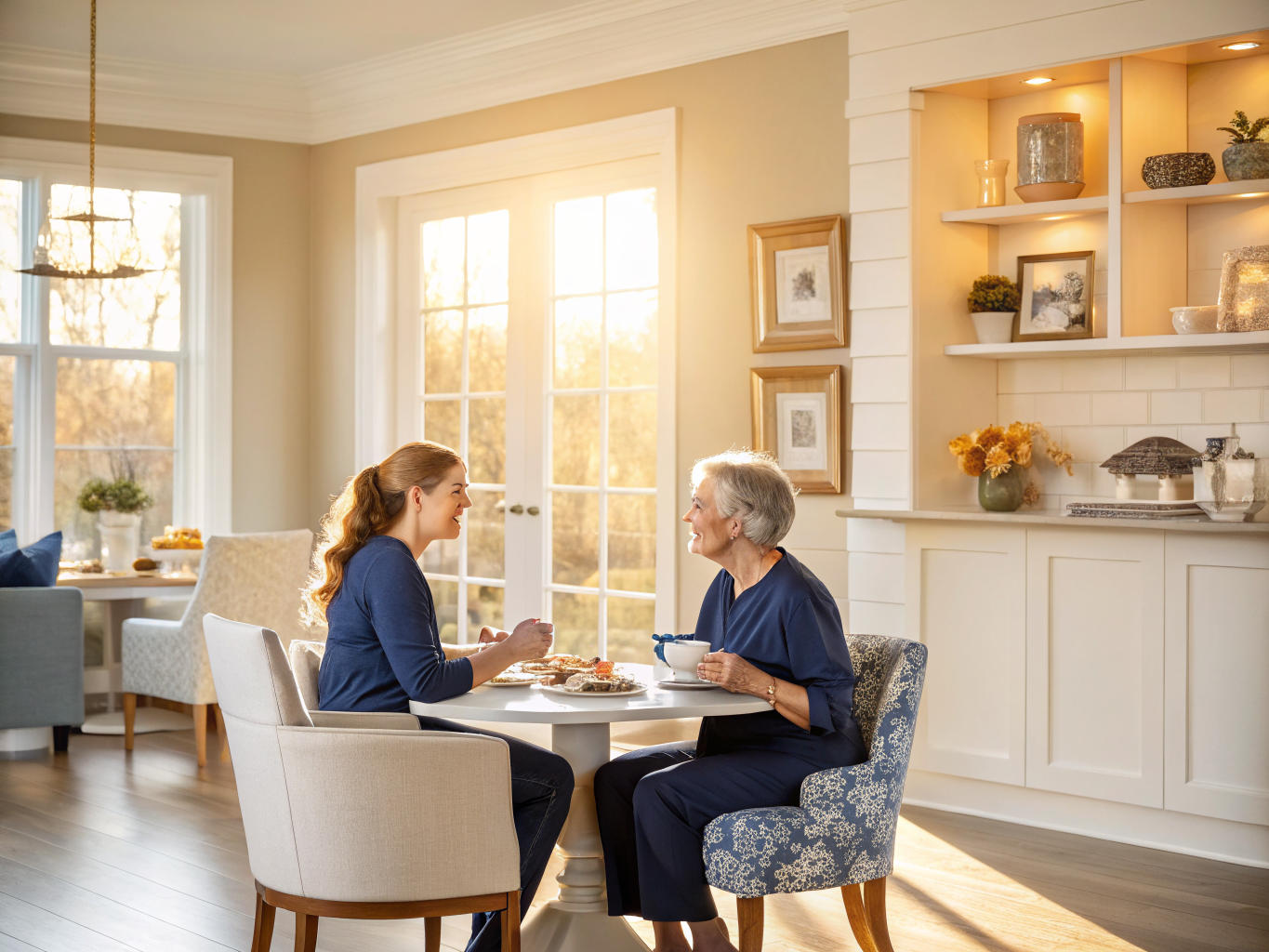
Aging in place means living safely and independently in your own home and community for as long as possible, regardless of age, income, or ability level. The concept goes beyond simply staying in the same house — it encompasses having the right support systems, home modifications, and care services that allow seniors to maintain their quality of life without relocating to an institutional setting like a nursing home or assisted living facility.
According to AARP’s Home and Community Preferences Survey, nearly 90 percent of adults aged 65 and older want to remain in their current home as they age. This desire is not surprising — home is where decades of memories, familiar routines, and deep community connections reside. In New Jersey, where families often live in close proximity across generations, aging in place preserves those family bonds while honoring a senior’s independence and dignity.
For New Jersey families, aging in place is not an all-or-nothing proposition. It is a spectrum that ranges from fully independent living with minimal support to comprehensive 24-hour home care that provides round-the-clock assistance. The key is matching the right level of support to your loved one’s current and anticipated needs. At 24 Hour Home Care NJ, we help families navigate every stage of this journey, from the first conversation about getting help to full-time caregiver support.
Benefits of Aging in Place vs Facility Care
The decision between aging at home and moving to a care facility affects every dimension of a senior’s well-being. Understanding the specific advantages of aging in place helps families make informed choices that align with their loved one’s values and needs.
Familiarity and comfort: Seniors who remain at home benefit from the psychological comfort of familiar surroundings. They know where everything is, they sleep in their own bed, and they are surrounded by personal belongings that carry emotional significance. Research published in the National Institute on Aging confirms that familiar environments reduce confusion and anxiety, particularly for seniors with mild cognitive impairment or early-stage dementia.
Autonomy and control: At home, seniors set their own schedules. They eat what they want when they want, watch their preferred television programs, welcome visitors on their terms, and maintain the daily routines that give structure to their lives. Institutional care, even the highest-quality facilities, operates on communal schedules that inevitably limit individual freedom.
Cost effectiveness: For many New Jersey families, aging in place with professional home care costs significantly less than facility-based care. The Genworth Cost of Care Survey reports that the median monthly cost of a private room in a New Jersey nursing home exceeds $12,000, while assisted living averages around $7,000 per month. Home care costs vary based on the number of hours needed but can be substantially lower, especially when a senior needs only part-time assistance with specific tasks.
Emotional and physical health: Studies consistently show that seniors who age at home experience lower rates of depression, better nutritional status, and fewer hospitalizations compared to those in institutional settings. The personalized one-on-one attention from a dedicated home caregiver — rather than shared staff attention in a facility — ensures that subtle health changes are caught early and addressed promptly.
Family involvement: When a parent ages at home, family members remain naturally involved in daily care. Visiting is easier, communication with caregivers is direct, and family traditions — Sunday dinners, holiday celebrations, grandchildren’s visits — continue uninterrupted. This ongoing family connection is one of the strongest predictors of emotional well-being in older adults.
Home Modifications That Support Safe Aging
Creating a safe home environment is the foundation of successful aging in place. Most homes were not designed with aging in mind, but strategic modifications can dramatically reduce fall risks and improve daily functioning for seniors.
Bathroom safety: The bathroom is the most dangerous room for seniors. Essential modifications include installing grab bars near the toilet and in the shower, replacing a traditional tub with a walk-in shower or shower bench, adding non-slip mats and adhesive strips, and raising the toilet seat height. These changes alone can prevent the majority of bathroom-related falls, which account for a significant percentage of senior injuries in the home.
Kitchen accessibility: Lever-style faucet handles replace hard-to-grip knobs. Pull-out shelving in lower cabinets eliminates dangerous reaching and bending. Frequently used items should be stored at counter height. Stove safety devices, including automatic shut-off knobs, prevent fire hazards. Adequate lighting under cabinets and above work surfaces reduces the risk of cuts and burns.
Stairway and entry modifications: Handrails on both sides of all stairways provide stability. For seniors with significant mobility limitations, stair lifts offer safe access to upper floors, while exterior ramps replace hazardous steps. Motion-activated exterior lighting illuminates walkways and entries, reducing fall risk during evening hours.
Smart home technology: Voice-activated assistants can control lights, thermostats, and door locks without requiring seniors to get up or navigate switches. Medical alert systems provide one-button access to emergency services. Video doorbells allow seniors to see visitors without approaching the door. These technologies complement professional home care by adding layers of safety between caregiver visits.
For a detailed room-by-room breakdown, see our guide to home modifications for senior safety in NJ.
When Professional Home Care Becomes Necessary
Many seniors begin aging in place independently and gradually require increasing levels of support. Recognizing the signs that professional care is needed is critical for preventing serious incidents like falls, medication errors, or nutritional decline.
Activities of daily living (ADL) difficulties: When a senior struggles with basic self-care tasks — bathing, dressing, toileting, eating, transferring from bed to chair, or walking — professional personal care assistance becomes essential. ADL limitations are the strongest predictor of the need for formal care support, and addressing them early prevents the rapid decline that often follows when these needs go unmet.
Medication management challenges: Seniors managing multiple medications face real risks when doses are missed, doubled, or taken at wrong times. A professional caregiver provides consistent medication reminders and ensures prescriptions are refilled on schedule. For seniors on complex medication regimens, this oversight can prevent dangerous drug interactions and hospitalizations.
Safety concerns: If your loved one has experienced falls, left the stove on, gotten lost while driving, or shown confusion about managing household tasks, these are clear signals that unsupervised living has become unsafe. Companion care or more intensive support provides the supervision needed to prevent accidents while preserving independence.
Caregiver burnout: Family members who have been providing informal care often reach a breaking point. The emotional and physical toll of caregiving can damage the caregiver’s own health and strain family relationships. Professional home care does not replace family involvement — it supplements it, allowing family members to return to their natural role as loving relatives rather than exhausted caregivers.
If you are noticing any of these signs, read our detailed guide on when a parent needs home care for a comprehensive checklist.
NJ Aging Services, Resources, and Financial Considerations
New Jersey offers a robust network of aging services that support seniors who wish to remain at home. Understanding these resources helps families create comprehensive care plans that combine public services with private home care.
NJ Division of Aging Services: The NJ Department of Human Services Division of Aging Services administers programs including home-delivered meals, adult day care, respite care, and the JACC (Jersey Assistance for Community Caregiving) waiver program that provides Medicaid-funded home care for eligible seniors. These programs can supplement private home care, reducing overall costs while ensuring comprehensive support.
Area Agencies on Aging: New Jersey’s county-based Area Agencies on Aging serve as local hubs for senior services, connecting families with transportation, nutrition programs, caregiver support groups, and benefits counseling. Contact your county’s agency for a personalized assessment of available resources — services vary by county across Morris County, Essex County, Bergen County, and all 21 New Jersey counties.
Financial planning for aging in place: The costs of aging in place include home modifications (typically $2,000-$25,000 depending on scope), professional home care (ranging from several hours weekly to 24-hour live-in care), medical equipment, and ongoing home maintenance. Long-term care insurance, if purchased before a health event, covers many of these costs. Veterans may qualify for VA Aid and Attendance benefits that help fund home care. Some seniors use reverse mortgages to access home equity for care expenses.
Tax considerations: Medical expenses that exceed 7.5 percent of adjusted gross income are tax-deductible, and professional home care prescribed by a physician often qualifies. The dependent care tax credit may also apply when a qualifying senior lives in the family home. Consult with a tax professional experienced in elder care planning to maximize available deductions.
How to Start Planning for Aging in Place
Planning for aging in place is most effective when it begins before a crisis. Proactive families who start the conversation early have more options, better outcomes, and less stress than those who scramble to arrange care after a fall or hospitalization.
Step 1 — Assess current and anticipated needs: Walk through your parent’s home with fresh eyes. Look for fall hazards, check that smoke detectors work, evaluate whether the kitchen and bathroom are safe for independent use. Observe your parent’s ability to manage daily tasks — cooking, cleaning, personal hygiene, medication management. Note any changes from six months or a year ago.
Step 2 — Have the conversation: Approach your parent as a partner in planning, not as someone who needs to be managed. Frame the discussion around maintaining independence: “We want to make sure you can stay in your home as long as possible — let’s plan together for that.” Listen to their preferences, fears, and priorities. Most seniors are more open to accepting help than their children expect, especially when the alternative is leaving their home.
Step 3 — Explore care options: Research the full spectrum of professional home care available in your area. At 24 Hour Home Care NJ, we offer everything from a few hours of companion care per week to full 24-hour home care, including specialized Alzheimer’s and dementia care. Many families start with a modest level of support and increase services as needs evolve.
Step 4 — Make the home safe: Prioritize home modifications based on your assessment. Start with the highest-impact, lowest-cost changes — removing throw rugs, improving lighting, installing grab bars — before investing in larger projects like stair lifts or bathroom renovations.
Step 5 — Establish legal and financial frameworks: Ensure that power of attorney documents, healthcare proxies, and advance directives are in place. Review insurance coverage, explore long-term care insurance options, and create a financial plan that accounts for increasing care needs over time.
Ready to explore aging in place options for your family? Contact us at (908) 912-6342 for a free, no-obligation home care assessment. We will help you understand what level of support your loved one needs and create a care plan that preserves their independence, safety, and quality of life.